Exploring the Nossentiner/Schwinzer Heide Star Park

Published: August 14, 2026

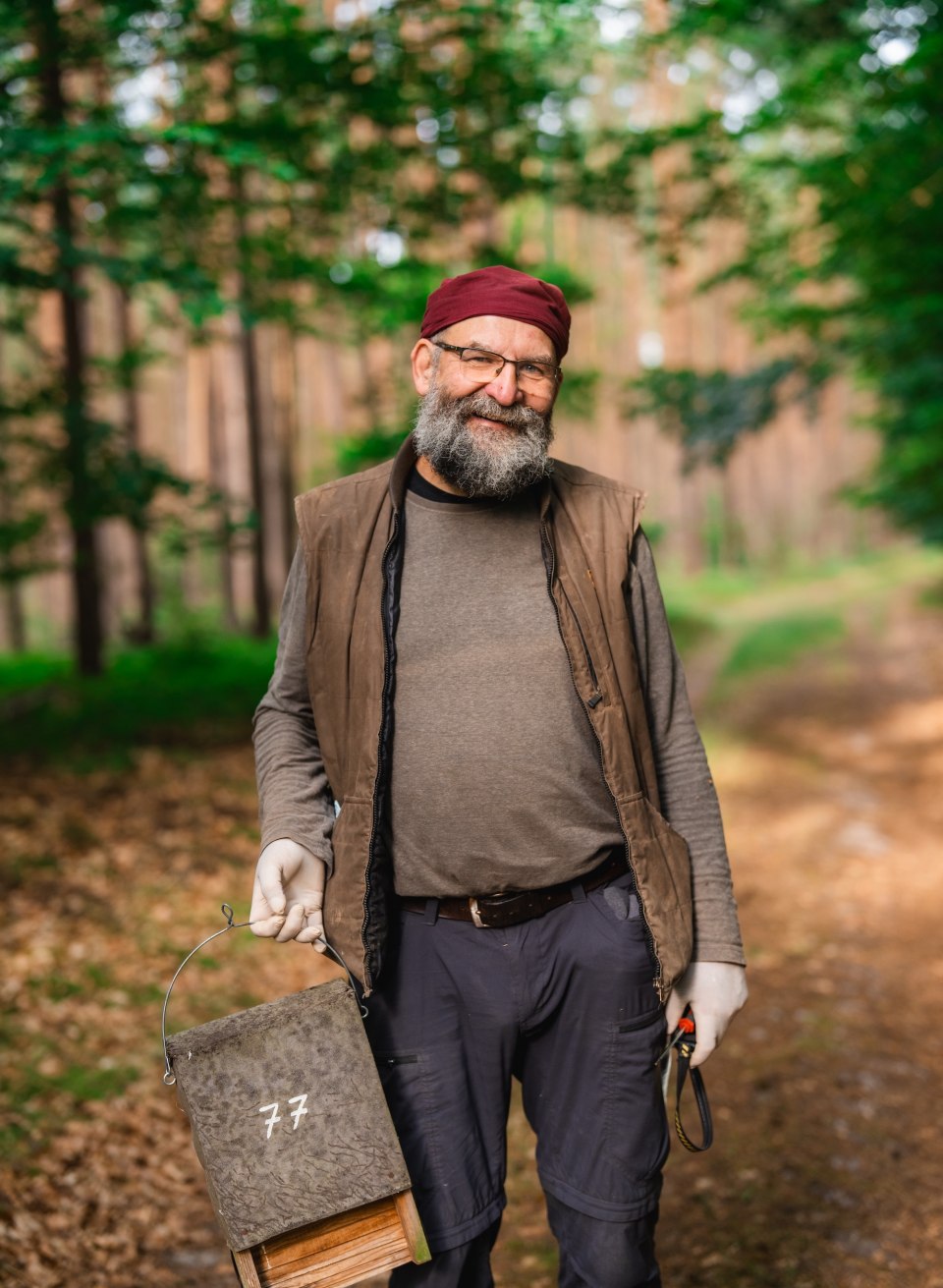
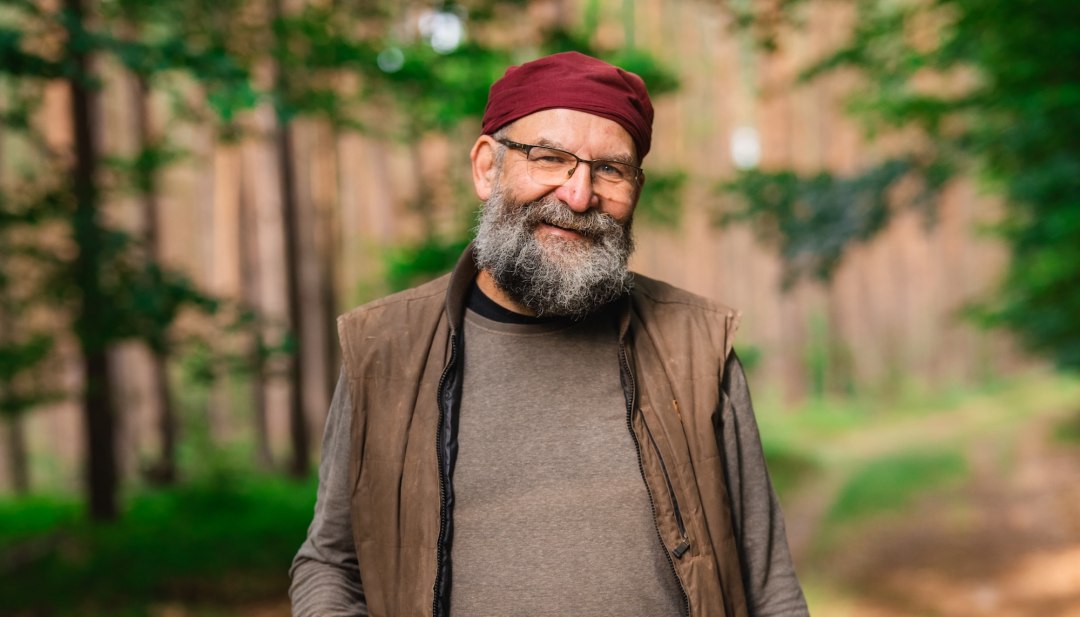
A man is standing on a forest path, holding a numbered bat box in his hand, with trees in the background.

Ralf Koch has been working at the Nossentiner/Schwinzer Heide Nature Park for over three decades. In the second part of “MV Local,” he takes us along on a bat-catching expedition, to a cello recital, and out under the starry sky.

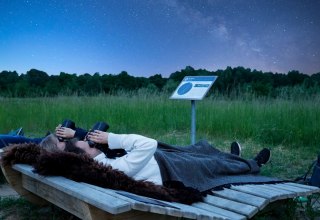
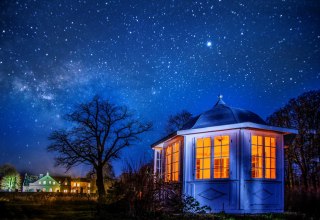
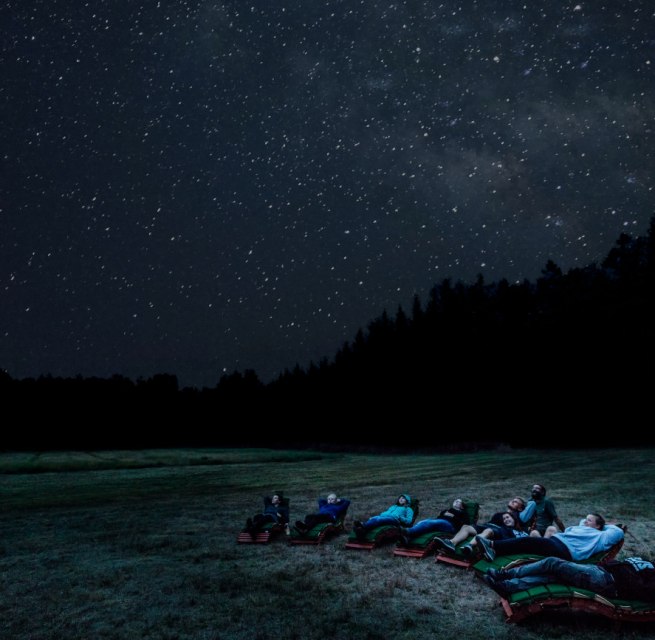
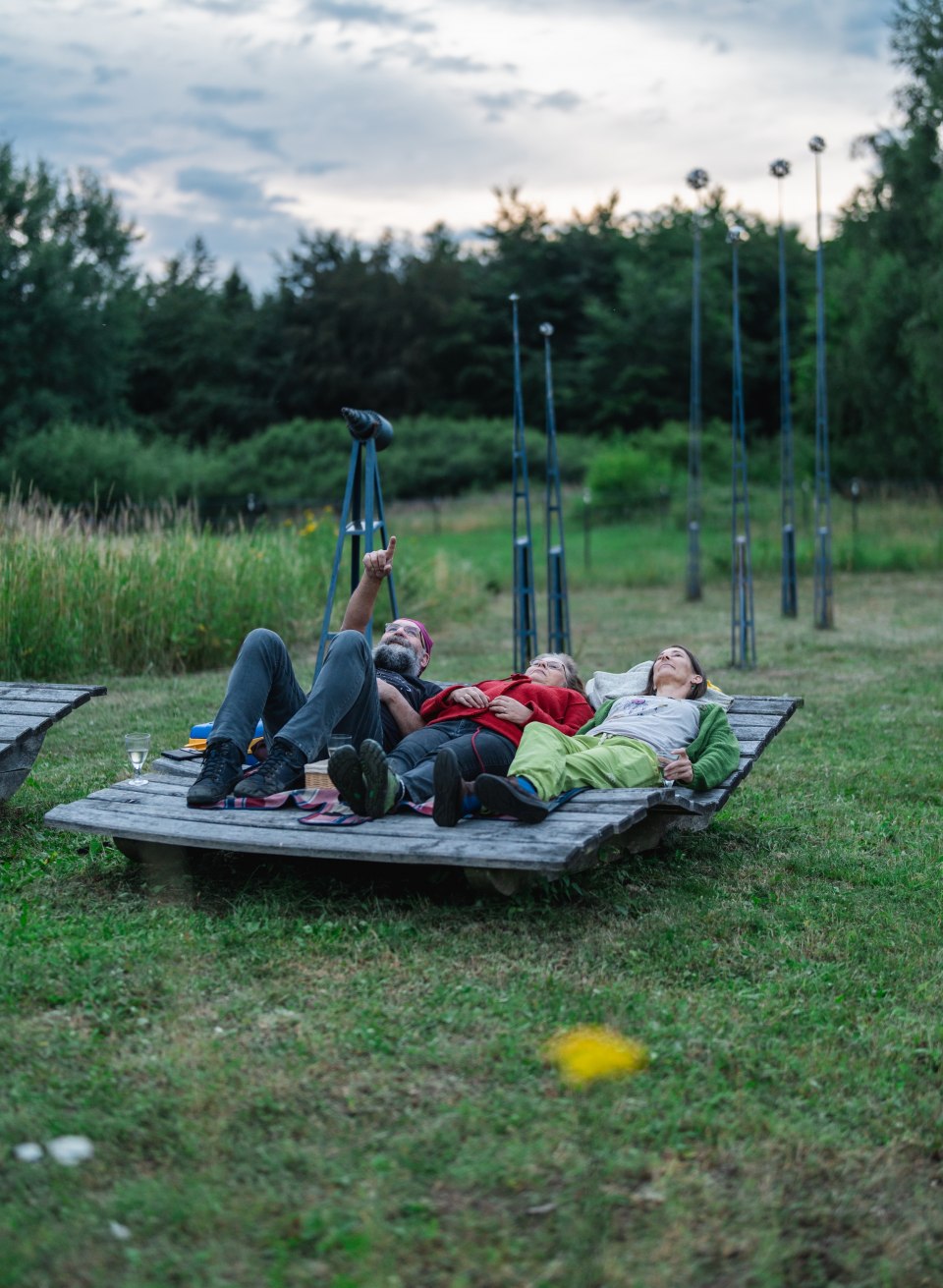
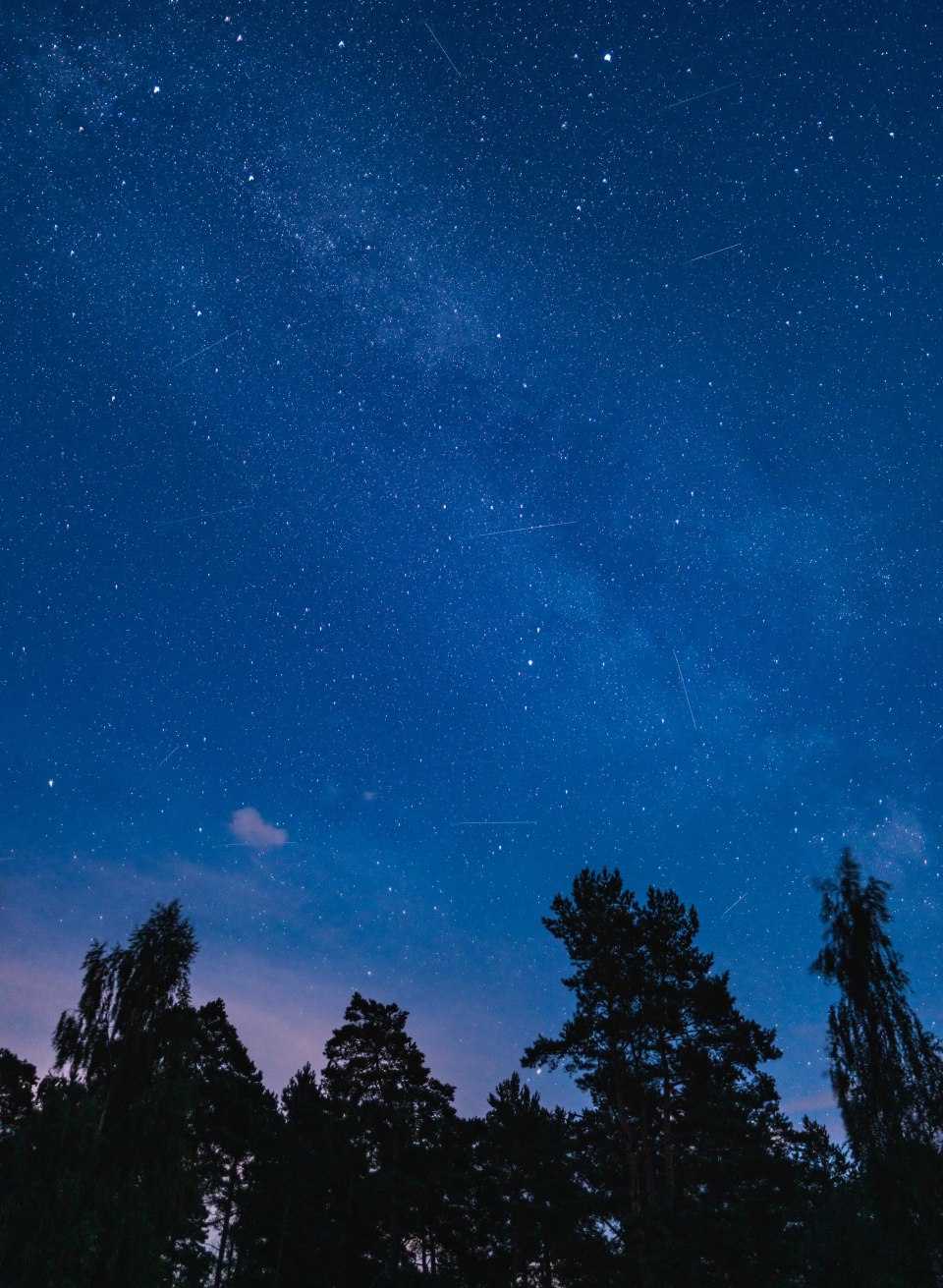
A shooting star streaks across the sky. And there’s another one! Over there is the Milky Way, and over there, a satellite! There’s so much going on in the sky today that it’s hard to keep up with the naked eye. They’re especially easy to spot from the large wooden loungers on the Hellberg. Why is that? Ralf Koch—recognizable by his red headscarf and the picnic basket in his hand—explains: “This is one of the darkest places in Germany.”

The Nossentiner/Schwinzer Heath has a population density of just nine people per square kilometer. That makes the region almost as sparsely populated as Siberia. And that’s a good thing! Because this supposed disadvantage turns into an advantage when stargazing: “Nowhere else can you see the sky like this,” Koch says. One shooting star after another streaks across the sky. Down in the parking lot, a shy couple stands waiting for their date to begin.
Saturn's Rings and Moon Craters

There are nine publicly accessible stargazing sites here. The Star Park was recently recognized; it is one of 139 International Star Parks worldwide that were selected for their “exceptionally clear night skies and an undisturbed nighttime environment” . Anyone who’d like to can book a stargazing guide: Some focus on the telescope and point out Saturn’s rings or lunar craters, while others share myths about the constellations. A particularly popular activity: gliding across the lake in a canoe by moonlight while the starry sky unfolds above. When the Perseids fall from the sky in August, around 200 people gather to wait together for the first shooting star.

The person largely responsible for how it all works here is Ralf Koch. He probably knows almost every rock, every tree, and every blade of grass. He has been working at the Nossentiner/Schwinzer Heide Nature Park for over three decades and knows that the stars here are just one of many features that make the heath so special.

Three people are lying on a wooden platform surrounded by greenery, gazing up at the evening sky at the Mecklenburg-Vorpommern Star Park.
A starry night sky above dark treetops, with many visible stars and faint trails across the sky in the MV Star Park.
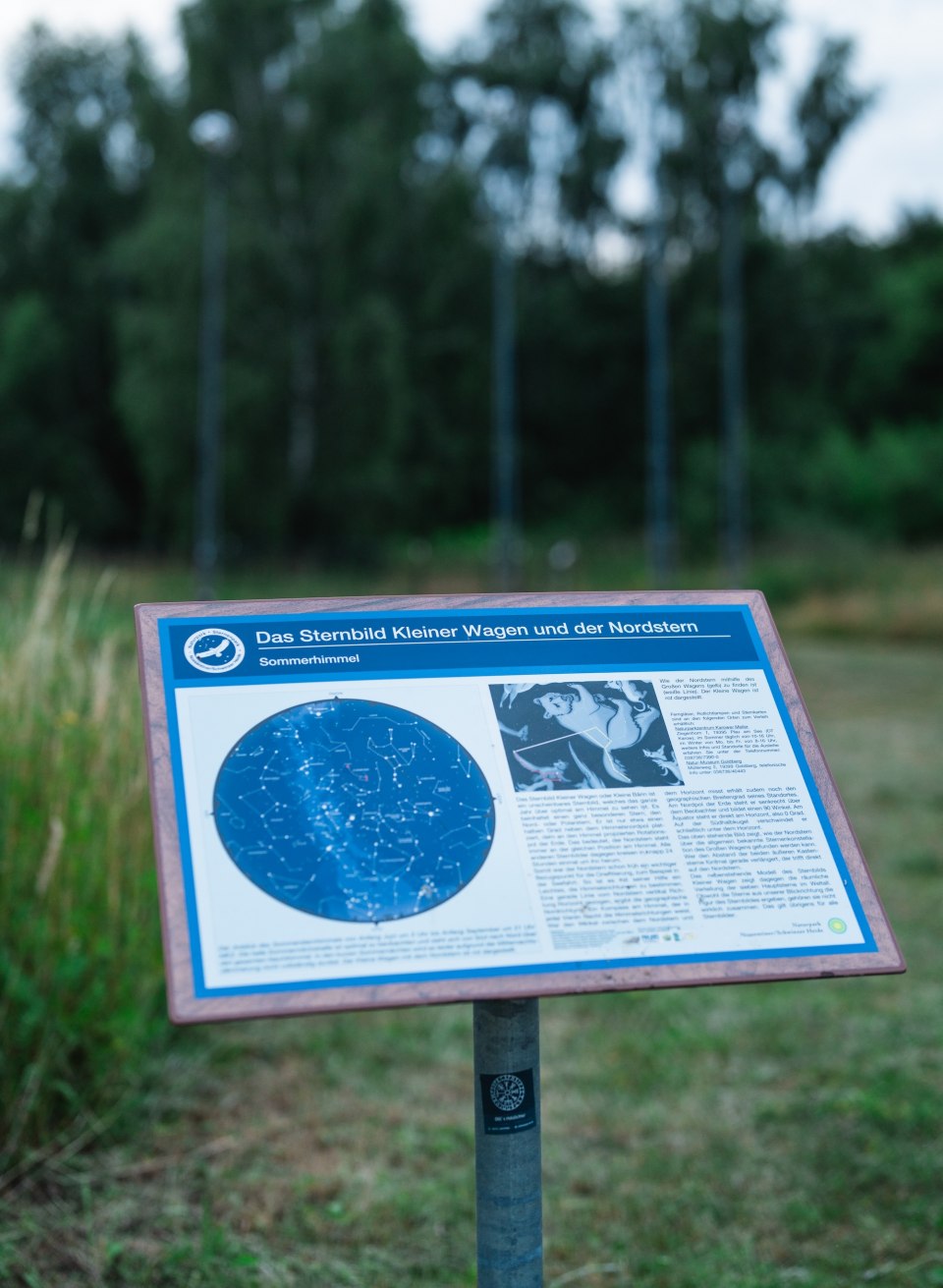
An information board with a star chart showing the Little Dipper and the North Star stands at the edge of a meadow, with the forest faintly visible in the background.

Conductor and leather gloves

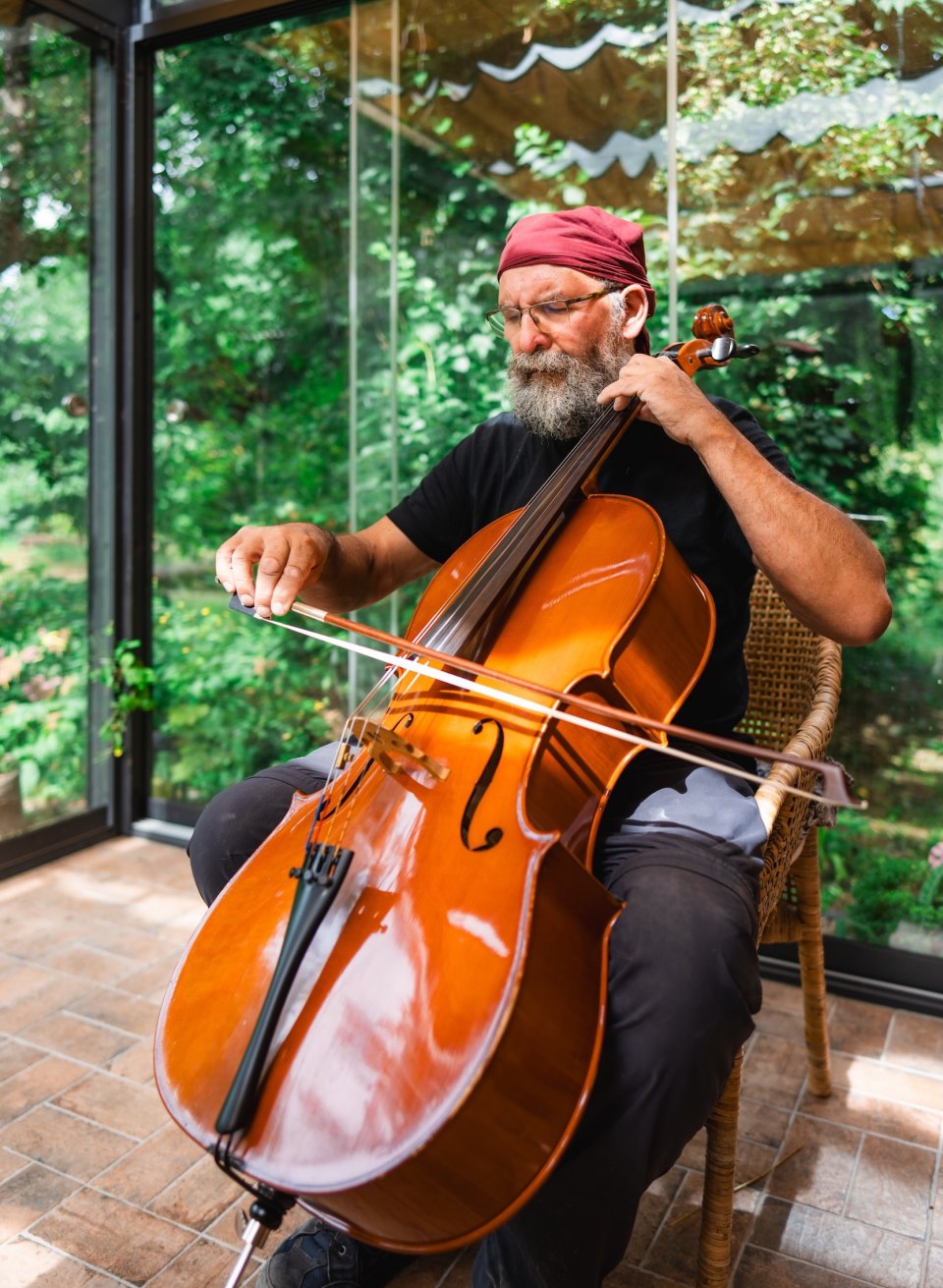
For early riser Ralf Koch, a typical day begins quite calmly at 5:15 a.m. with a black coffee and his cello. He started learning the instrument at the adult education center at age 58 because he and his wife—a harpist herself—love classical music. Now he sits down at his cello every morning to relax before the day begins. He combines his love of music with his love of nature: When a concert takes place in the old church in Nossentin as part of the Mecklenburg-Vorpommern Festival in late July, Koch leads the guests through the adjacent park beforehand, up to the Kalkberg. “People come down there, find peace—and afterward, we all listen to wonderful music together,” he says. For him, it’s this connection between the location and the music that defines the festival.

But there’s still a little while to go. Today, Koch’s favorite animals are on the agenda. It’s bat counting time! He’s been fascinated by these animals ever since he went out with a group of bat enthusiasts from Thuringia in 1991 to check nesting boxes. “It’s never left my mind,” he says. “Just look at their physique! The animals’ bodies have remained virtually unchanged for 50 million years. Their design is clearly ingenious. I was so captivated by this that it quickly became clear to me that I wanted to study this group of animals more closely.” He’s in the right place for that. About ten of the 18 bat species are currently native to this area.

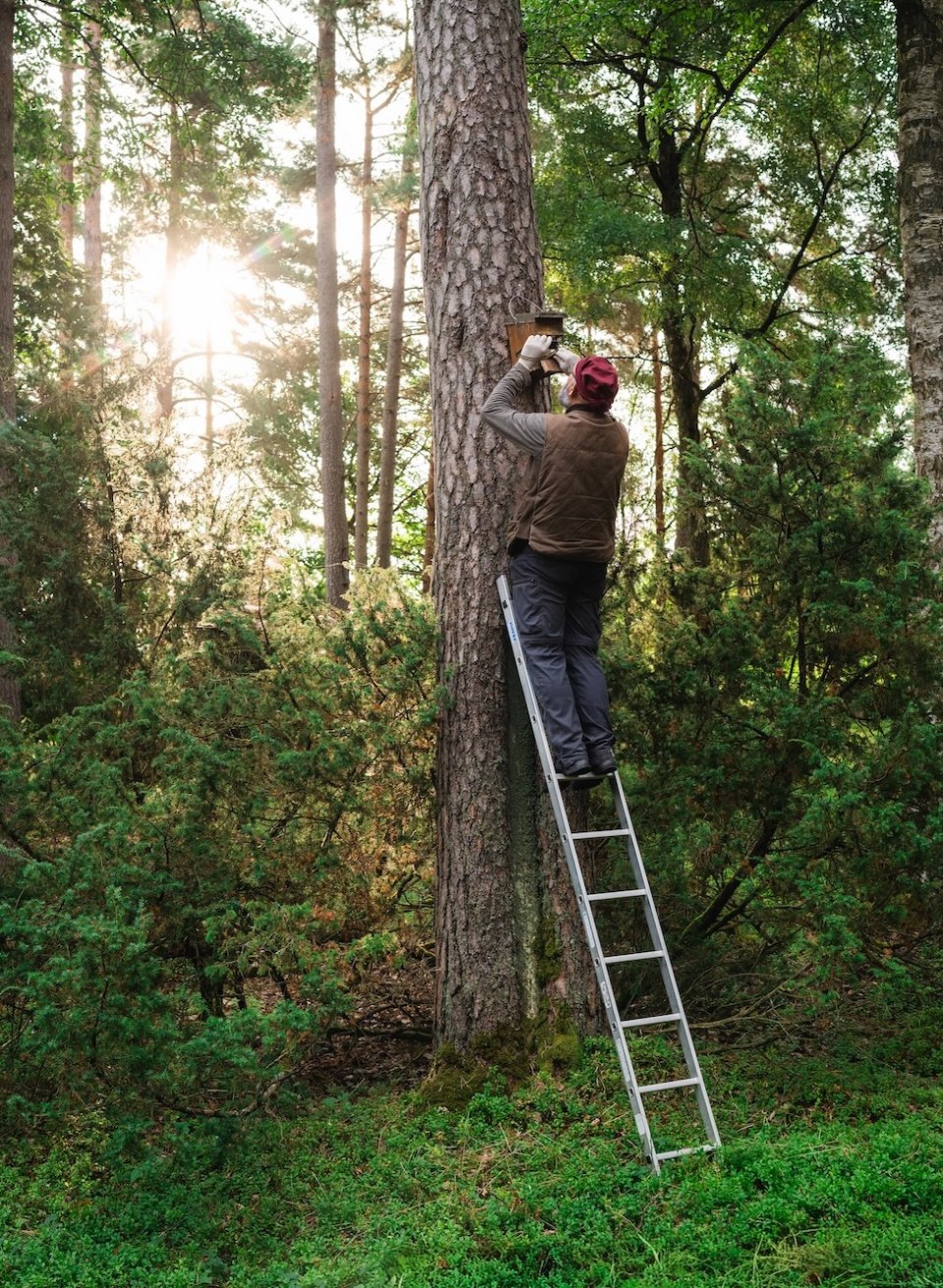
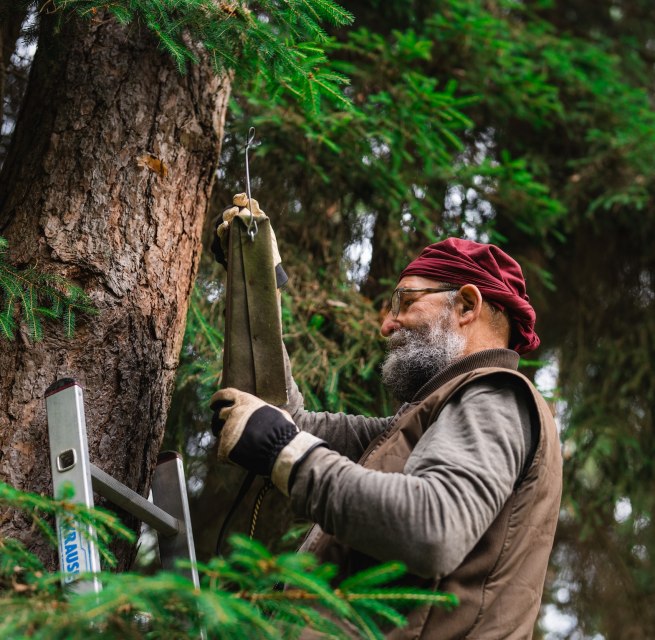
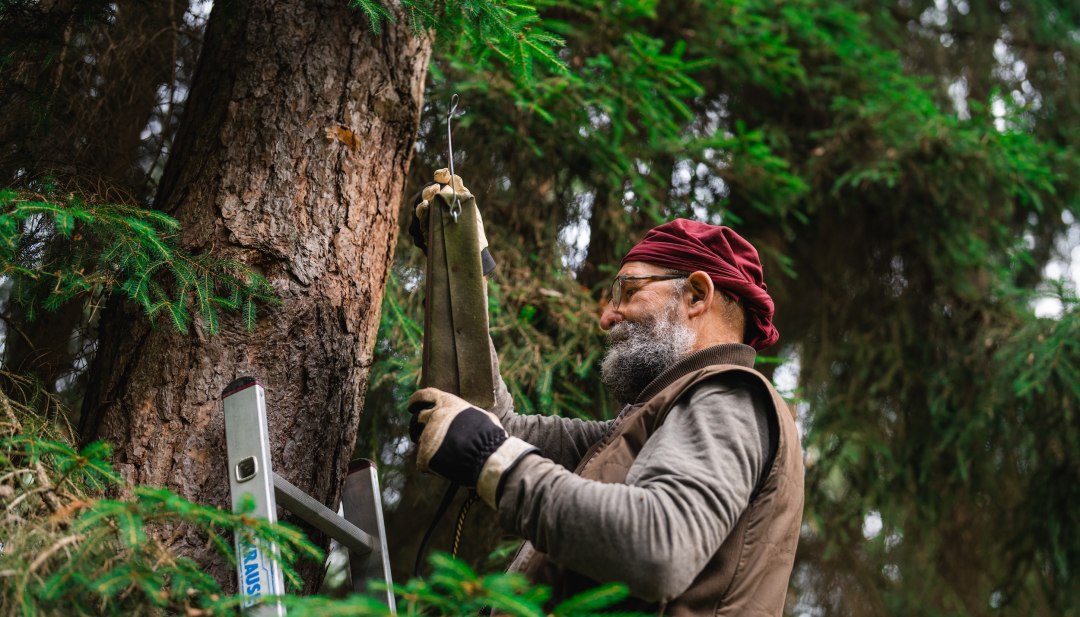
A man is standing on a ladder next to a tree, checking a bat box in the sparse morning forest.
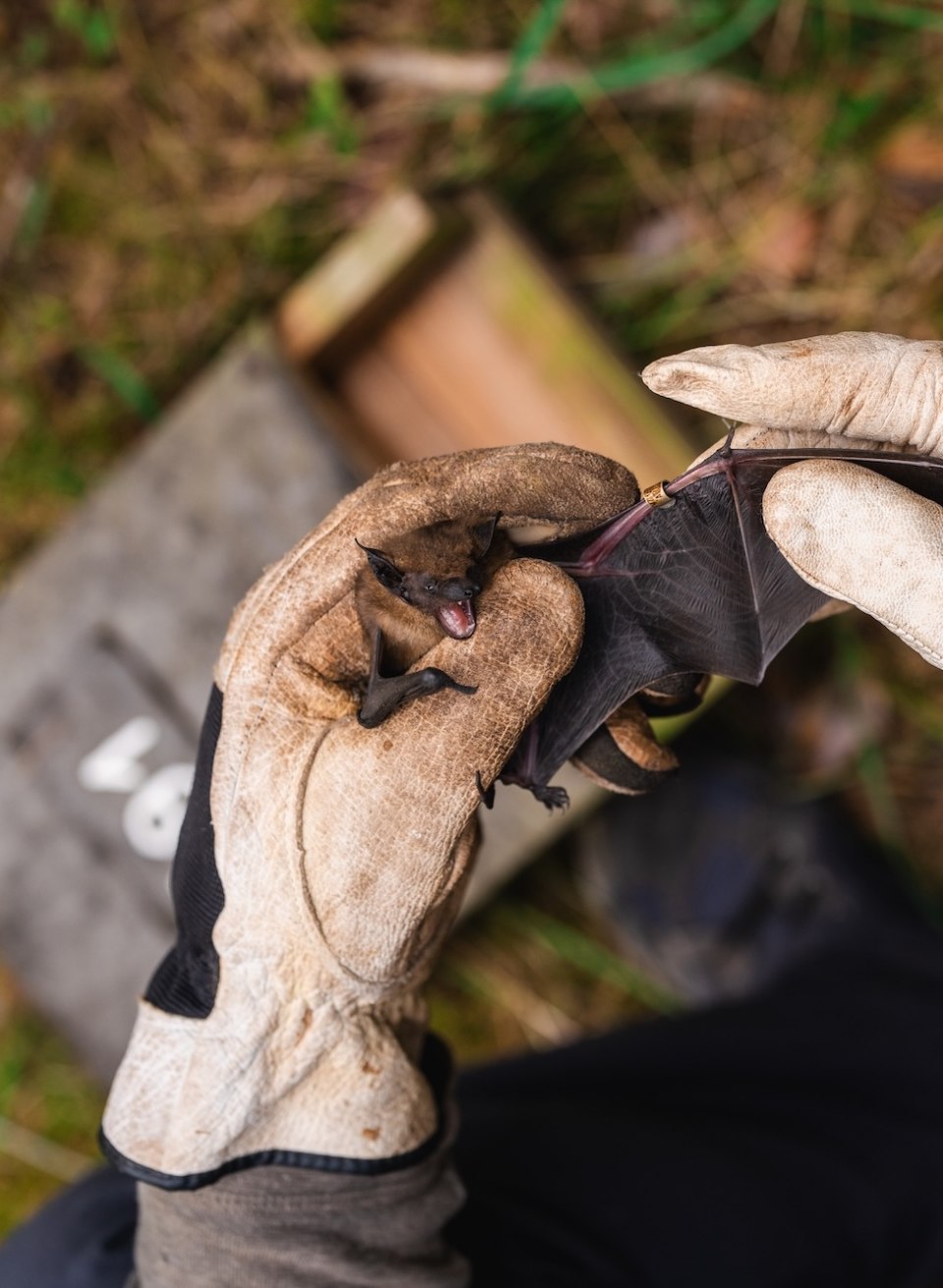
A bat is being held carefully with thick work gloves, its wings spread out, with the forest floor in the background.
A man is playing the cello on a chair in the sunroom, focused and calm, surrounded by the green glow of the garden lights.

The morning light glistens through the trees; Koch drives through the park in his electric car. Twice a year, the bats are counted here. Nearly 15 volunteers have signed up, coming from all over Germany to help. He pulls over, gets out, leans his ladder against the tree, climbs up, and brings down a box. There are 30 animals inside.

For the greater mouse-eared bat, thicker gloves are needed—it can bite through material that’s too thin and transmit rabies. The brown long-eared bat, on the other hand, is smaller and, with its oversized ears, looks almost like a tiny bull. The bats are collected in small cloth bags, packed up, and off we go.

A man wearing gloves is hanging a bat box on a tree; a ladder is standing next to it in the woods.

At the End of the World

As Koch hangs the box back in its place, the soft sound of a saw cuts through the trees—probably logging work. As director, Koch likes to explain the difference between a nature park and a national park: In a national park, nature is left to its own devices, and humans take a back seat. A nature park, on the other hand, is a cultural landscape—here, people are meant to demonstrate how agriculture, forestry, and tourism can coexist in harmony. “This is a process that doesn’t happen overnight,” says Koch. To keep people and the landscape in harmony, we need people who can inspire others. Ralf Koch is one such person. 

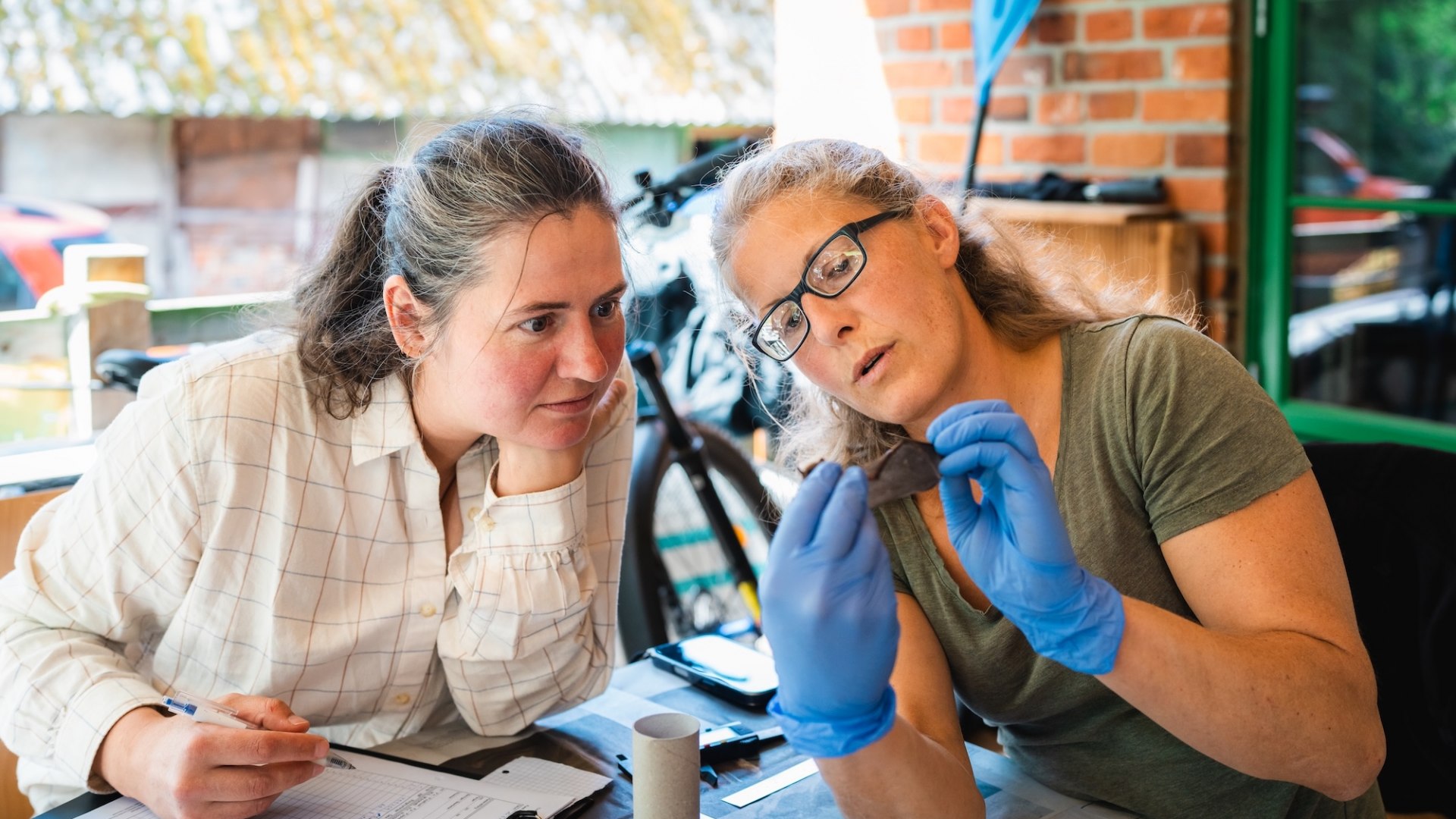
Later, the groups meet again at the nature conservation station. The individual animals are measured, banded, and identified by species. They are checked for mites and injuries, and their sex is recorded. Because bats have a good memory of their habitat, they can be released from the station in the evening; they find their way back to their boxes on their own. Anyone who would like to participate doesn’t have to wait for the big count: In the summer, the nature park offers guided tours with an ultrasonic detector, and there is also a bat trail.

Zwei Frauen prüfen eine Fledermaus in blauen Handschuhen und notieren Daten am Tisch in einer Naturschutzstation. // At the nature conservation station, the bat lies quietly in the researcher’s hands while its species and data are recorded—a team effort for conservation in Mecklenburg-Western Pomerania. // © MV-T/Gross
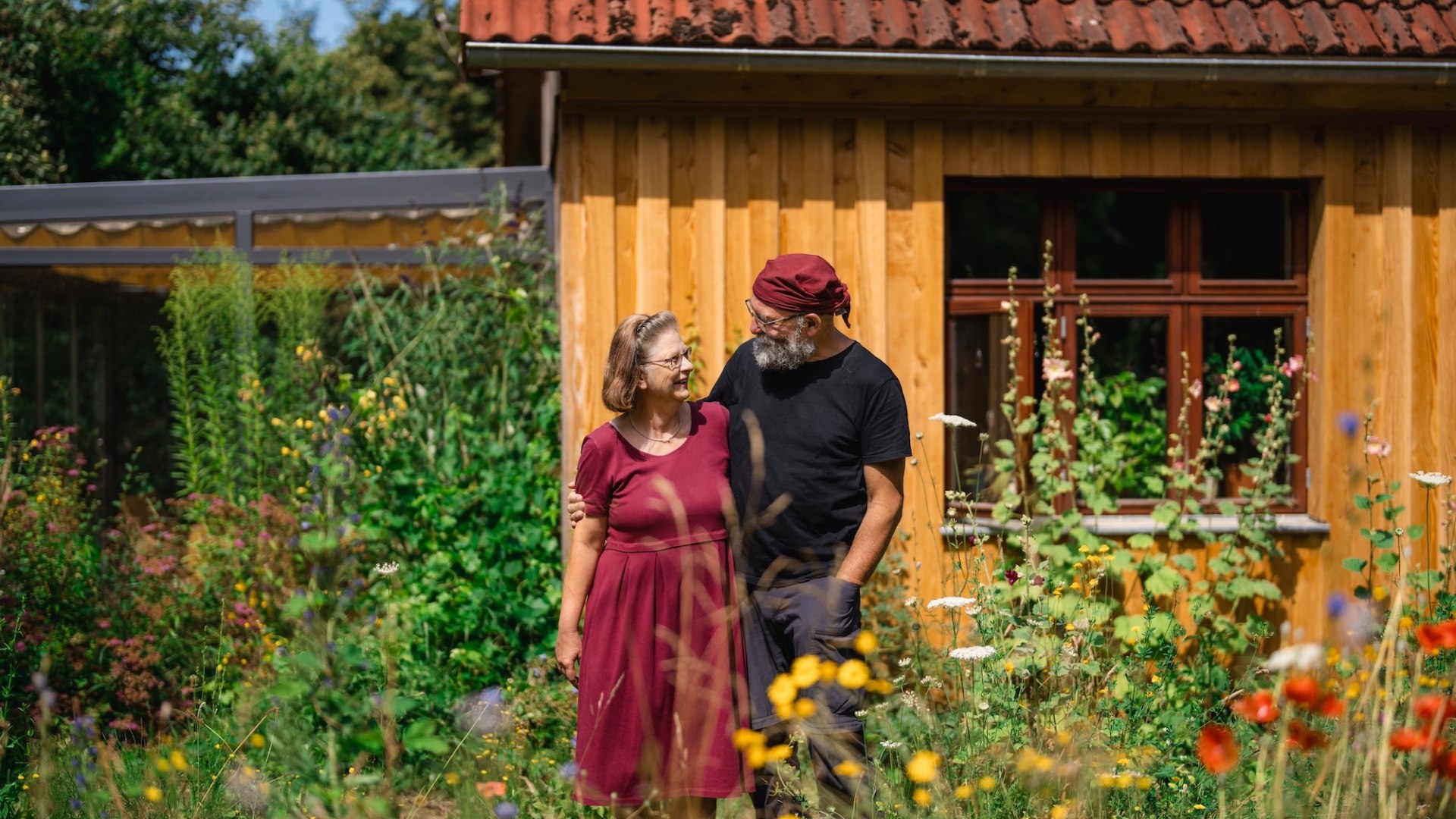
A couple is standing in a blooming garden in front of a wooden house, smiling at each other, with colorful wildflowers in the foreground.

No wild partying means a better quality of life

Where the animals have made themselves at home, the Halle-born chef has also found his home. He ended up in Mecklenburg-Western Pomerania and the nature park quite by accident. He had actually intended to go to Thuringia. That didn’t work out professionally, so in 1984 he was transferred to Mecklenburg. And what he didn’t know before, he now loves. 

Koch notes that the fact that the towns are kilometers apart does make it difficult to establish a viable restaurant business. But he also says: “This isn’t about wild parties; it’s about people who want to connect with nature and find peace.” “Many people who live here see it as a quality of life to be able to live in such a landscape and to share that with our guests.” Those who live here are part of this landscape—with its diverse flora and fauna, clean water, and a starry sky—for which others travel hundreds of kilometers. Making the local people aware of exactly that has been the most important thing to him throughout his years as manager.

He’s good at it himself, too; he enjoys being alone. He often just sits in the woods or by a lake under a tree—preferably at the Brillenseen, two small forest lakes connected by a narrow footbridge. “Hardly anyone finds them,” says Koch. In some spots, no one passes by all day. Isn’t the utter quietness unsettling for him? No, he says. He finds it more unsettling when he’s out and about in big cities, where everyone around him has their cell phones out and is rushing past him. 

Anyone who drives through his nature park with Koch hears other stories as well. In Goldberg, the “City of Three Lies”—no gold, no city, no mountain—there’s a two-kilometer-long children’s trail called “Pilzy’s Nature Trail” around the Hellberg, which tells the story of the Caucasian Slope Mümmler: a mythical creature invented by a school class with legs of varying lengths, perfectly adapted to life on a slope. There’s a stamp at every stop along the route. This playful approach can also be found in the Rahmannsmoor—including the school course on moor renaturation—on the Star Route, and on the bat tours.

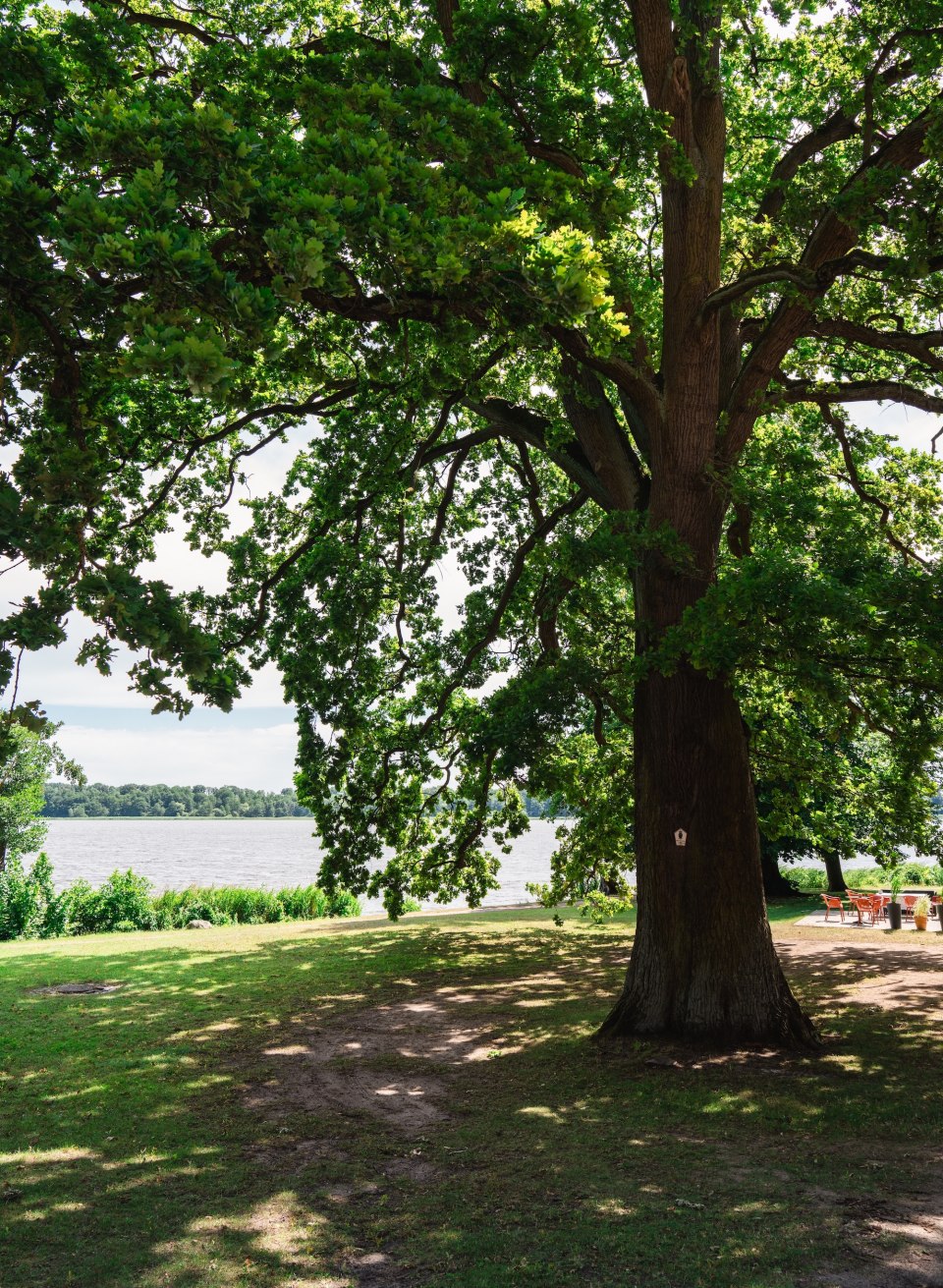
A large oak tree stands on the lakeshore; its canopy casts a shadow over the meadow, and behind it lies calm water.

Otters and Clear Water

A major change is on the horizon for Koch, however. Or rather: a moderate one. After all, in September, Koch will retire after 35 years at the nature park—ten of them as deputy director and ten as director. Still, he doesn’t want to let go completely: “It’s a part of my life,” he says. He will continue his work through the Nature Park Foundation and the Friends of the Nature Park. 

Ralf Koch usually ends his day with a walk together with his wife and their dog, Frodo. The three of them walk three kilometers along the same path in any weather, observing the changes in nature. That’s part of Koch’s approach: If you’re going to talk about nature, you have to know it. And he knows it well—the Klädder oaks, the clear-water lakes, the beavers and otters, the hikes around Langhans Lake, and the Rahmannsmoor. For Koch, nature is above all a source of peace. He finds that peace in Dobbertin as well.

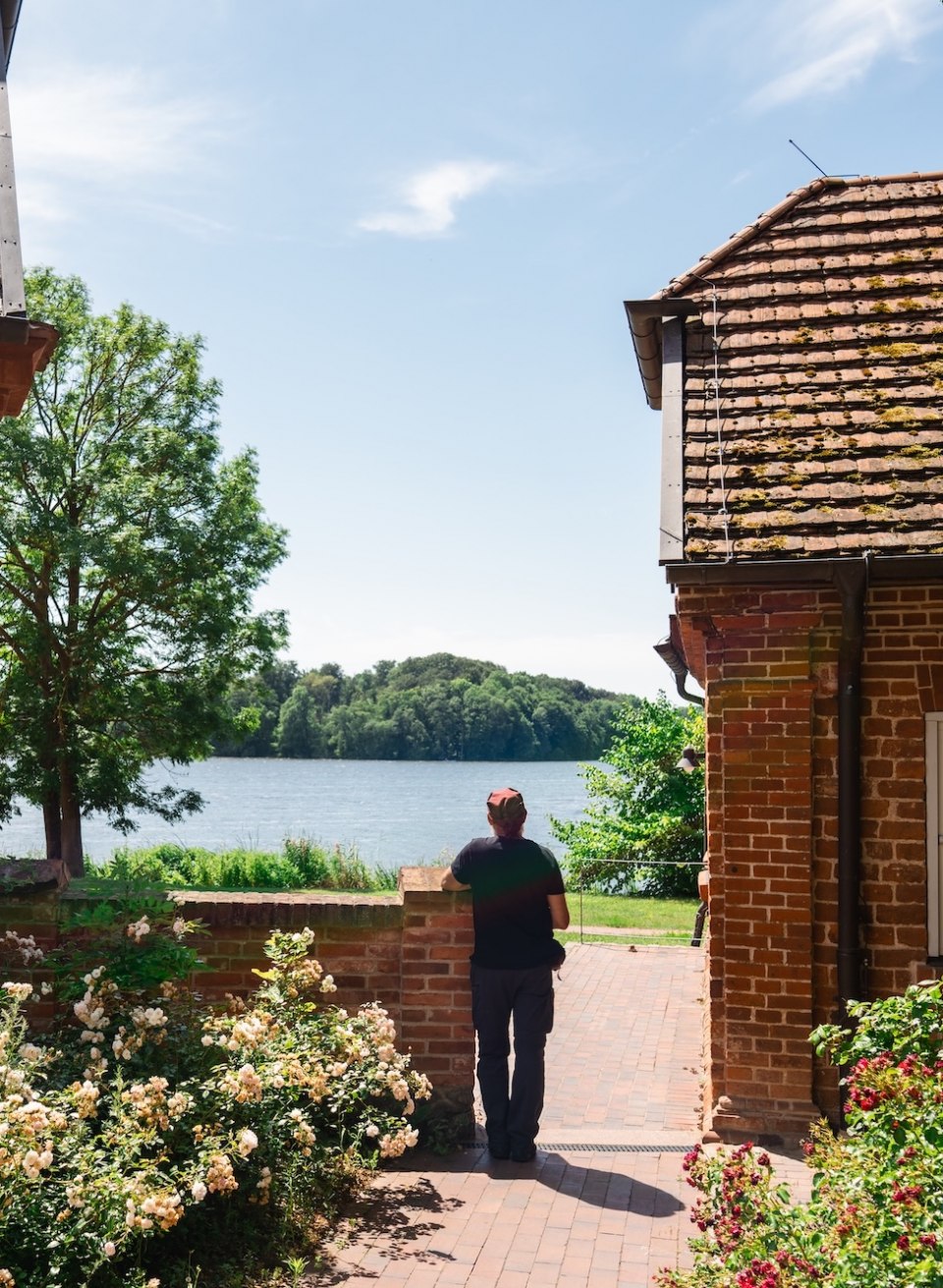
A man is standing between two brick buildings, looking across a garden path at a lake bathed in sunlight.
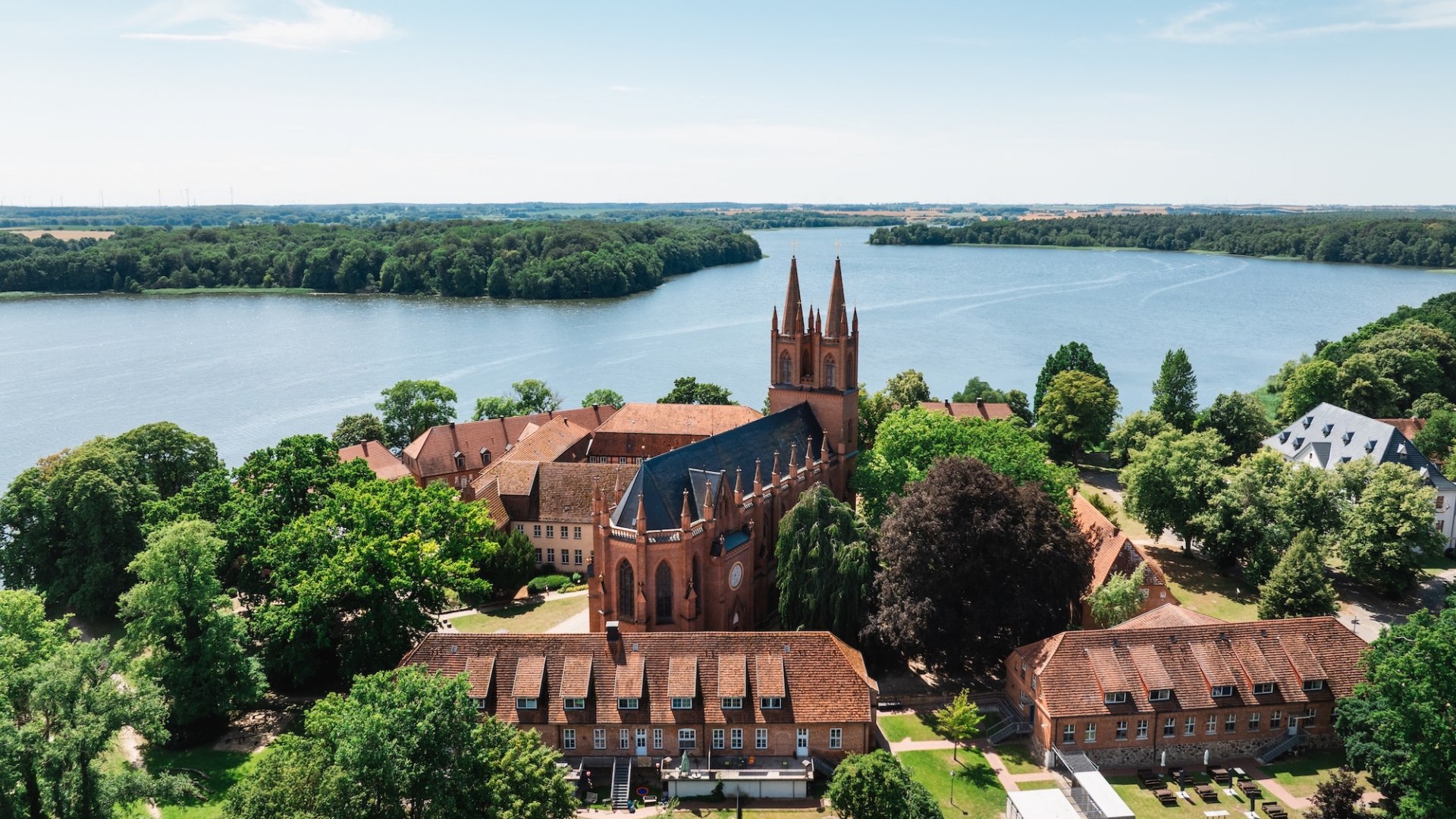
Aerial view of Dobbertin Abbey with its brick church and towers by the lake, surrounded by green trees and lakeside paths.

Unscheduled Organ Concerts

There stands the monastery, founded around 1220 by Benedictine monks, one of the oldest historical monuments in Mecklenburg-Western Pomerania. “They decided to settle here. I can still sense that fascination with this place to this day,” says Koch. And the place remains vibrant as well. There is a Diakonie facility here that primarily houses people with disabilities. Until recently, Koch still had the key to the monastery; one of the residents would regularly unlock it for him, and he would go up to the organ with it. There, the resident—equipped with a small radio—would play along to songs he heard. Koch no longer has the key to the monastery door, but he continues to cherish the memory of that encounter.

At the edge of the harbor, an old oak tree grows right up against the wall—one of Koch’s favorite spots to sit on the steps and gaze out over the lake. The black poplar has since died; a newly planted one is expected to be just as impressive in the same spot in 150 years. Koch knows that change is a part of nature and of human life.

Places of Interest

in the Nossentiner/Schwinzer Heath

8 results

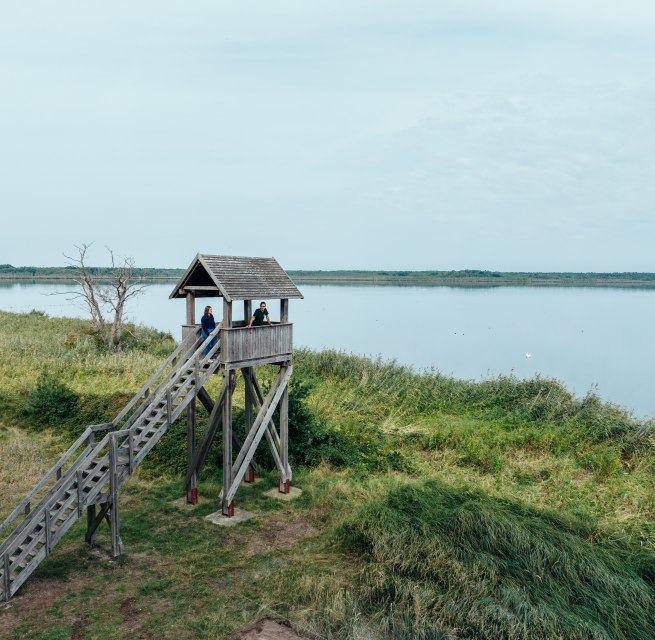
  • Jörnberg lookout tower

    • Open today
    • Jörnbergweg, 18292 Krakow am See

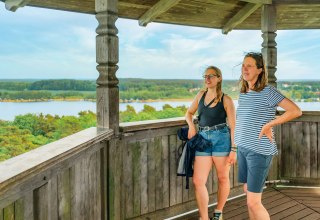
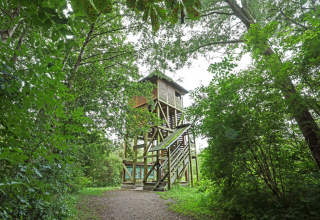
    Krakow am See is easily recognizable by the simple and imposing lookout tower on the Jörnberg peninsula.

    Read more: "Jörnberg lookout tower"
  • Hiking on the nature park trail through the landscape of the Mecklenburg Lake District at Rötelberg // © MV-T/Gänsicke

    Nature Park Trail in MV E9a

    The nature park trail in Mecklenburg-Vorpommern runs right through the inland from the Schaalsee biosphere reserve to the island of Usedom. It connects countless glistening lakes, rolling hills and shady forests with beaches and the sea. All seven nature parks in Mecklenburg-Vorpommern can be discovered along the way. But also romantic manor houses and picturesque villages, sea eagles and ospreys, cranes and storks above the hikers as well as otters and beavers among water lilies, irises and orchids in the water guarantee unique nature experiences. The southern route to Altwarp is designated as European long-distance hiking trail E9a.

    Read more: "Nature Park Trail in MV E9a"
  • Star Park - Sky full of stars

    • 19399 Goldberg

    Discover the night: the star park as a nature experience.

    Read more: "Star Park - Sky full of stars"
  • Observation tower Moorochse

    • An der B 192, 17214 Alt Schwerin OT Glashütte

    Observation Tower in Nossentiner/Schwinzer Heath Nature Park

    Read more: "Observation tower Moorochse"
  • Astronomical Observatory Dalwitz

    • Dalwitz, 17179 Walkendorf

    One of 6 thematic observation stations of the astro nature trail "De Sternkieker" in the Mecklenburger ParkLand Star Park.

    Read more: "Astronomical Observatory Dalwitz"
  • Astronomical Observation Station Lühburg

    • Lühburg, 17179 Walkendorf

    One of 6 thematic observation stations of the astro nature trail "De Sternkieker" in the Mecklenburger ParkLand Star Park.

    Read more: "Astronomical Observation Station Lühburg"
  • Nature and Star Park in the Nossentiner/Schwinzer Heath

    Read more: "Nature and Star Park in the Nossentiner/Schwinzer Heath"
  • © Evelin Kartheuser

    Karower Meiler Culture and Information Center

    • Open today
    • Ziegenhorn, 19395 Plau am See

    The central contact point for nature lovers and guests of the Nossentiner/Schwinzer Heath Nature Park is the Karower Meiler Culture and Information Center. In addition to a permanent exhibition on the development of this cultural landscape since the last cold period, five to six special exhibitions by artists and photographers on topics of nature and landscape are shown annually.

    Read more: "Karower Meiler Culture and Information Center"

Content is loaded

Content is loaded

You Might Also Be Interested In

  1. Mecklenburg cuisine: a culinary foray along the Baltic coast

    Read more: "Mecklenburg cuisine: a culinary foray along the Baltic coast"
  2. Schwerin: UNESCO World Heritage Site

    Read more: "Schwerin: UNESCO World Heritage Site"
  3. FÖJ at the Szczecin Lagoon – Protecting and Discovering Nature

    Read more: "FÖJ at the Szczecin Lagoon – Protecting and Discovering Nature"
  4. Nature and Star Park in the Nossentiner/Schwinzer Heath

    Read more: "Nature and Star Park in the Nossentiner/Schwinzer Heath"
  5. Eating fish: An interview with chef Lars

    Read more: "Eating fish: An interview with chef Lars"
  6. Guided tour of Schwerin Castle

    Read more: "Guided tour of Schwerin Castle"
  7. Healthy and fit through fall and winter

    Read more: "Healthy and fit through fall and winter"
  8. Experience 250 years of Caspar David Friedrich

    Read more: "Experience 250 years of Caspar David Friedrich"
  9. Regional personalities on Fischland-Darß-Zingst

    Read more: "Regional personalities on Fischland-Darß-Zingst"
  10. MV Locals - Birte Frenssen

    Read more: "MV Locals - Birte Frenssen"
  11. Baltic Sea hosts with a heart

    Read more: "Baltic Sea hosts with a heart"
  12. Read more: ""
  13. MV Local - The Achternhagen Family

    Read more: "MV Local - The Achternhagen Family"
  14. Wolfgang Schewe and the Boutique Hotel Nixe on Rügen

    Read more: "Wolfgang Schewe and the Boutique Hotel Nixe on Rügen"
  15. Museum in Göhren: Past meets future

    Read more: "Museum in Göhren: Past meets future"
  16. Oh Caspar, how romantic: Caspar David Friedrich in Western Pomerania

    Read more: "Oh Caspar, how romantic: Caspar David Friedrich in Western Pomerania"
1- 0 from 0