Nativity scenes from all over the world in Güstrow

Published: October 14, 2025

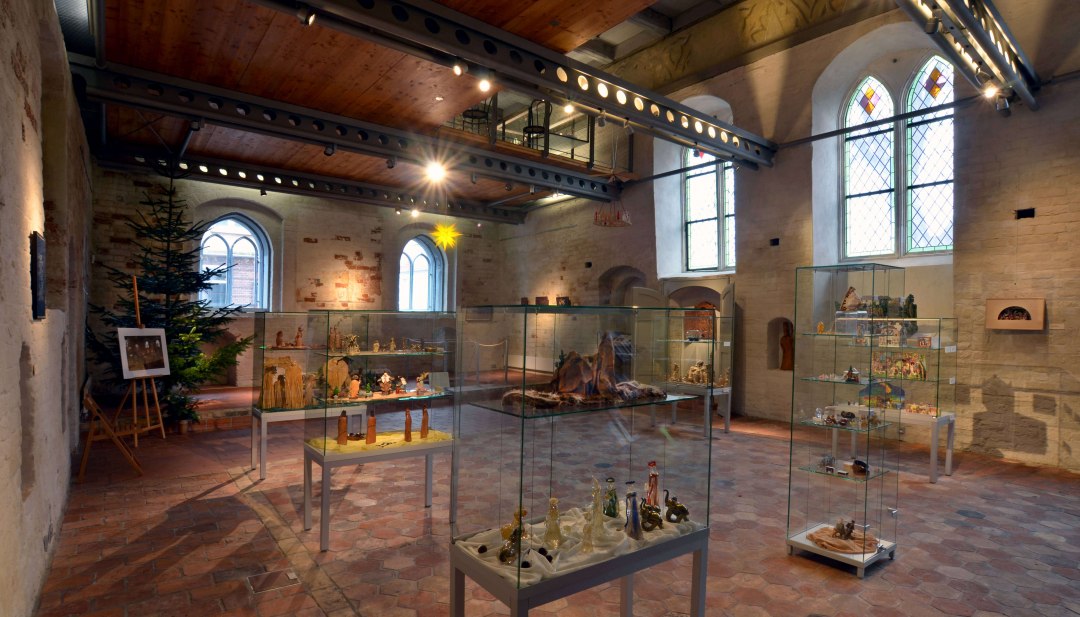
Interior view crib museum, © Krippenmuseum Güstrow
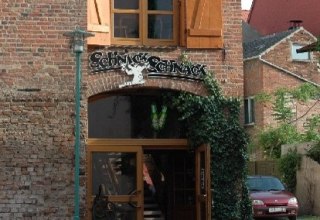
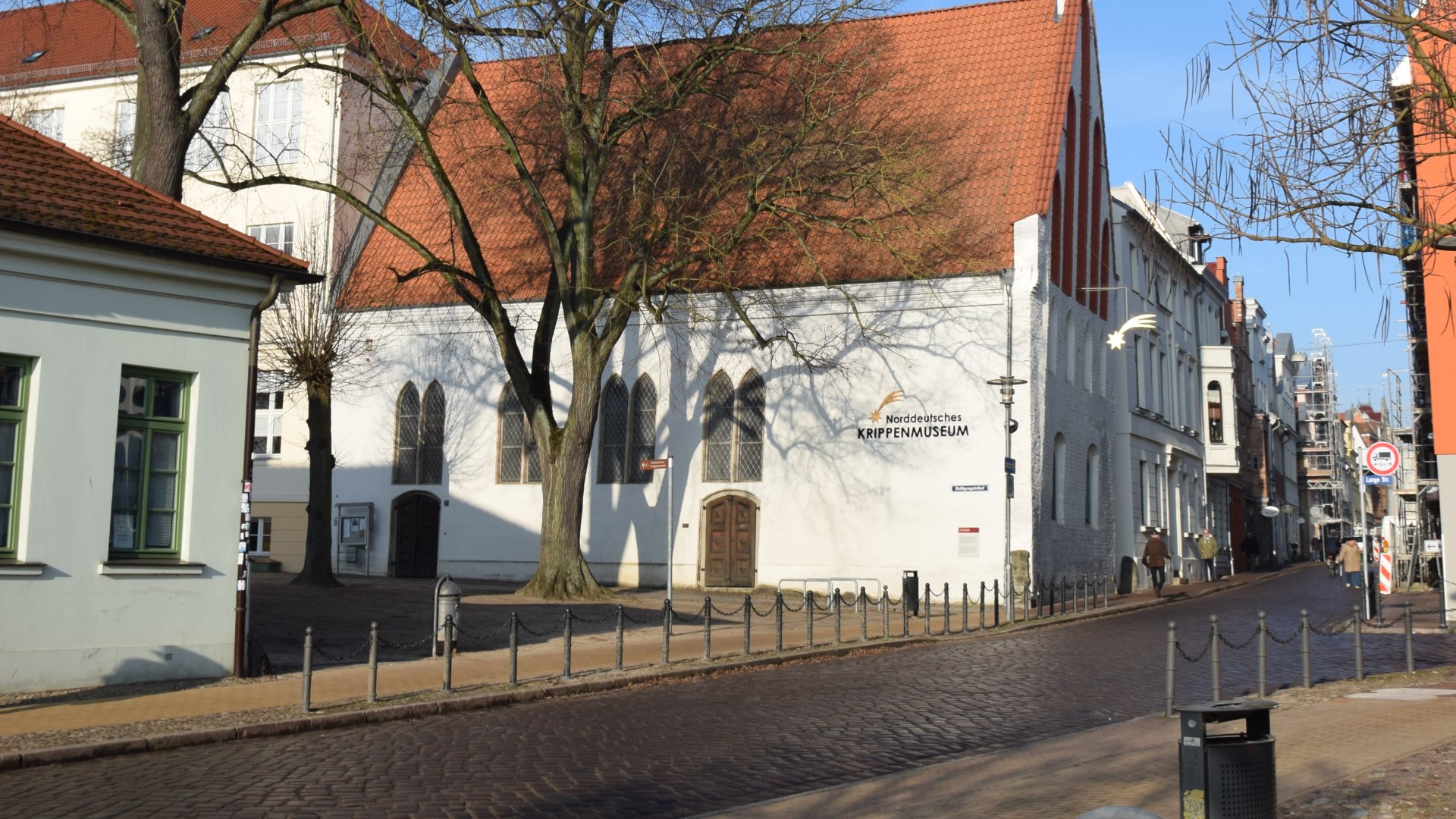
Exterior view crib museum Güstrow, © Krippenmuseum Güstrow

Around 700 nativity scenes in the North German Nativity Scene Museum

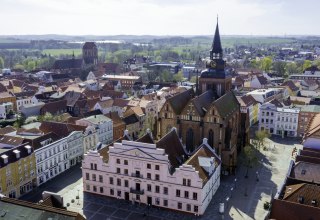
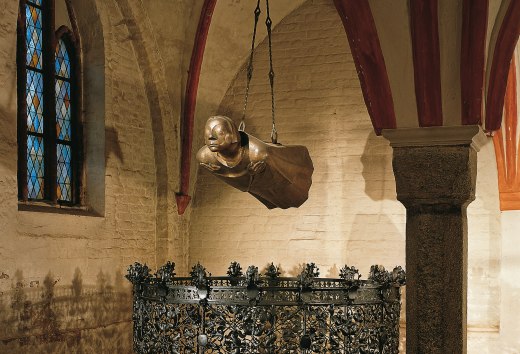
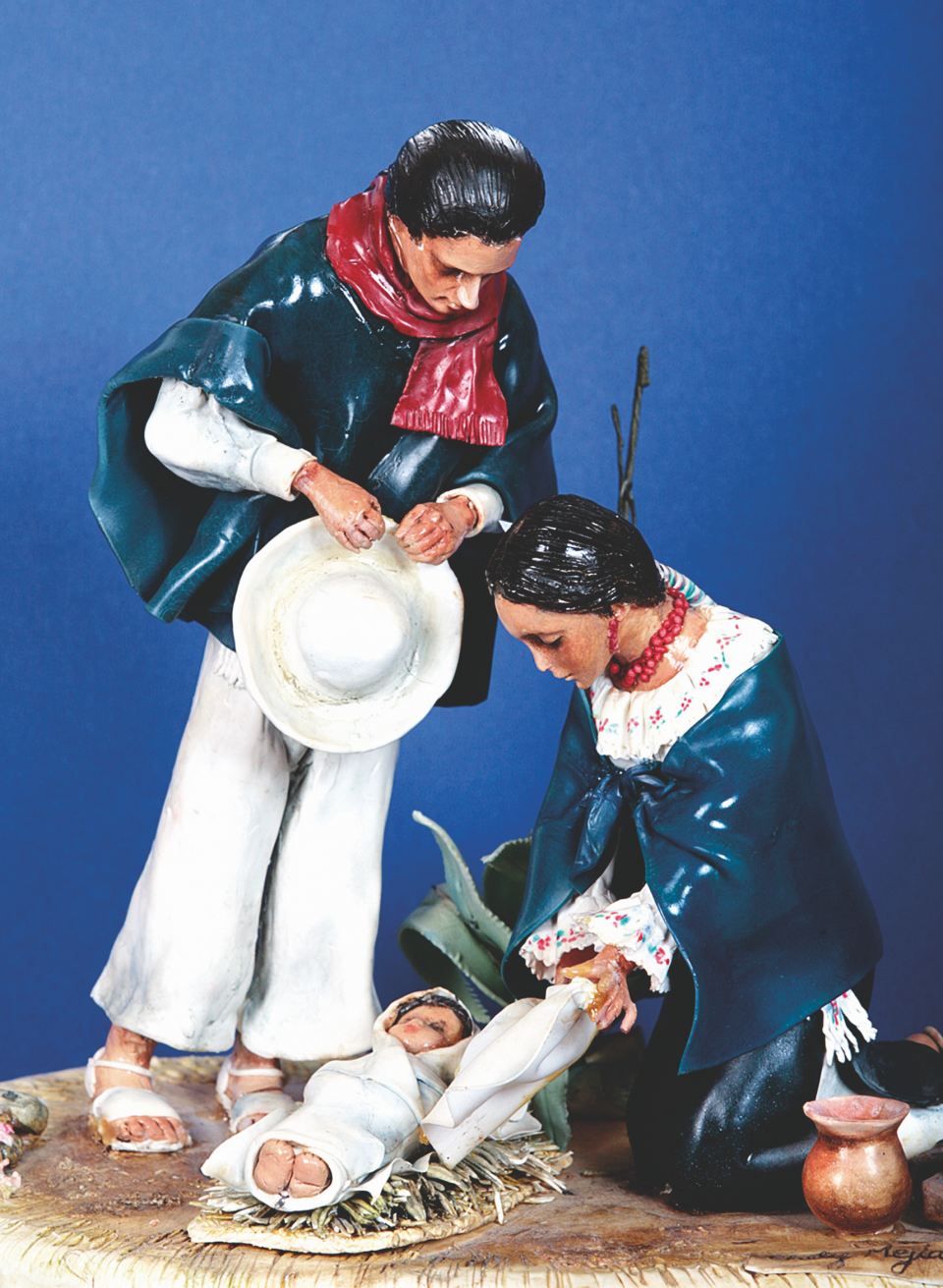
Güstrow is famous for its castle, the well-preserved old town and the cathedral with the „Floating Man“ by Barlach. Anyone visiting the historic residential city should not miss out on another sight: the North German Nativity Scene Museum. Around 700 nativity scenes from all over the world form the largest collection of nativity scenes in Germany and can be viewed and admired all year round in Güstrower Heilig-Geist-Kirche. They all tell the story of the birth of Jesus. But each one tells it in its own way. Most of the nativity scenes were made by local artists using local materials and according to their own Christian beliefs. The variety of shapes, materials, size and design of the nativity scenes is second to none. They range from individual figures and pieces to entire Christian worlds of experience. The smallest nativity scene made from a sloe seed measures just a few millimetres. Fragile paper nativity scenes originate from the Philippines, from the former Czechoslovakia there are fluffy glass nativity scenes and straw nativity scenes bear witness to the Christmas faith in Ghana. There are also figures and nativity scenes made of wax, amber, iron, waste paper, wool scraps and even hoof nails. There are also finds from the upland moors of Ireland.

More than 60 countries in over 40 years

The nativity scenes were collected by Mechthild Ringguth, a teacher's daughter from Hamburg. To do so, she traveled around the world for half a century. She described her travels as exhausting and adventurous, but nevertheless with many moments of happiness. „I slept in a tent for five weeks“, she reported on her journey through the desert state of Oman in one of her last interviews. Mechthild Ringguth's enthusiasm for nativity scenes began with a souvenir from Provence. In the mid-1960s, the former director of a film archive brought back small Santons figurines from her vacation in southern France. Mechthild Ringguth was immediately fascinated by the colorfully painted terracotta figures of saints, which were only a few centimetres tall, and never let go. She initially visited museums and manufactories in France and soon extended her search for nativity figures to the whole world. When the passionate church leader was visited one Advent day in 1983 by the former head of the Hamburg Michel, Helge Adolphsen, he could hardly believe his eyes. He organized an exhibition for the collection of several hundred nativity scenes in the crypt of the Michel. Triggered by the success of this exhibition, the nativity scene collection then traveled throughout Europe for 25 years and was shown in Berlin Cathedral, Timisoara Cathedral in Romania and even in St. Peter's Church in St. Petersburg. At some point, Mechthild Ringguth wanted a permanent exhibition and found the perfect place for it in the Heilig-Geist-Kirche in Güstrow.

Christmas crib Güstrow, © Krippenmuseum Güstrow

Nativity scenes find a home in Güstrow

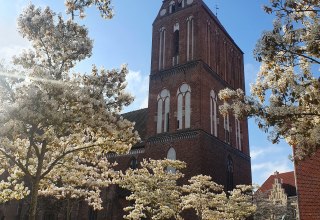
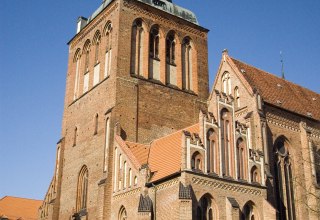
In 2007, the passionate nativity scene collector opened her exhibition in the Heilig-Geist-Kirche in Güstrow. The impressive brick building from the 14th century initially housed the 350 nativity scenes collected by Mechthild Ringguth. Thanks to donations, the collection has since doubled and now comprises 700 pieces. Incidentally, a visit to the Heilig-Geist-Kirche is not only worthwhile because of the extraordinary exhibits. The church itself is also impressive with its baroque plank ceiling with illusionist coffering, the remains of a Gothic wall frieze and a symbolic holy sepulchre from the 15th century. Due to its extensive original substance, the church is considered an important medieval monument in Mecklenburg-Vorpommern.

  • © Uwe Seemann

    North German Nativity Museum

    • Heiligengeisthof, 18273 Güstrow

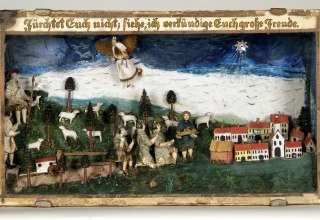
    Christmas cribs from all over the world can be seen in a permanent exhibition. Interesting are the variety of materials used as well as the different ways of processing. Unusual materials include nuts, bread dough, tree bark or banana leaves. The nativity scenes were, for example, mouth-blown, punched or woven.

    Read more: "North German Nativity Museum"
  • Content is loaded

    Further tips for Güstrow

    10 results

    Content is loaded

    Content is loaded

    You might also be interested in

    Content is loaded

    back