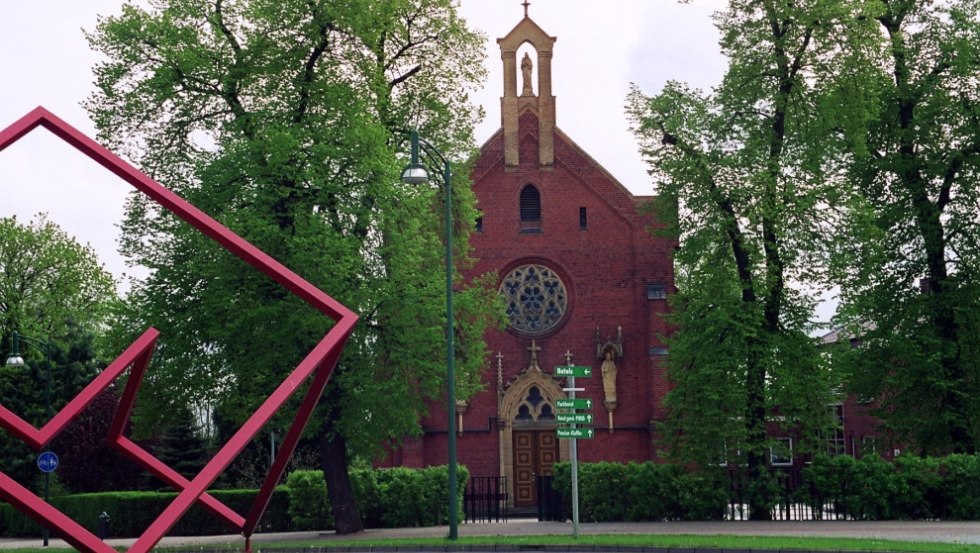
The Neustrelitz Academy Circle invites you.
The unicorn lives on. It’s a cult favorite. It fills children’s rooms and can be found in many places. Sometimes even where you’d least expect it. There was this teenage heavy metal fan on the train—dressed all in black, with long dark hair, lots of metal accessories on his face, and a little brown unicorn dangling from his backpack.
This creature has fascinated people for more than 2,000 years. With its horn, it has carved its way into humanity’s history of longing and fantasy. The unshakable belief in an intangible creature possessing a single horn and endowed with magical powers was fueled by accounts from travelers and naturalists. The source texts range from Aristotle (384–322 B.C.) to Ambrose (340–397), Hildegard of Bingen (1098–1179), Marco Polo (1254–1324) to Leibniz (1646–1716) and can also be found in more recent literature, such as *Harry Potter and the Sorcerer’s Stone* (1997).
The unicorn is also mentioned in Christian zoology, specifically in the book *Physiologus*, which was widely read well into the Middle Ages. There, the legend states that only a virgin could capture the animal. This sparked the imagination of artists, who therefore often depicted the mother of Jesus with a unicorn.