Right in the historic heart of the former royal seat of Barth, one of the oldest preserved secular buildings in Western Pomerania opens its doors to you: the Papenhof. What awaits you is more than just a museum - it is a living place of history, a monument with depth, a cultural anchor point in the southern Baltic Sea region.
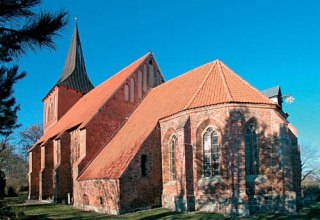
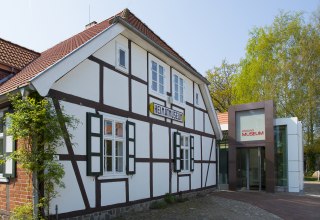
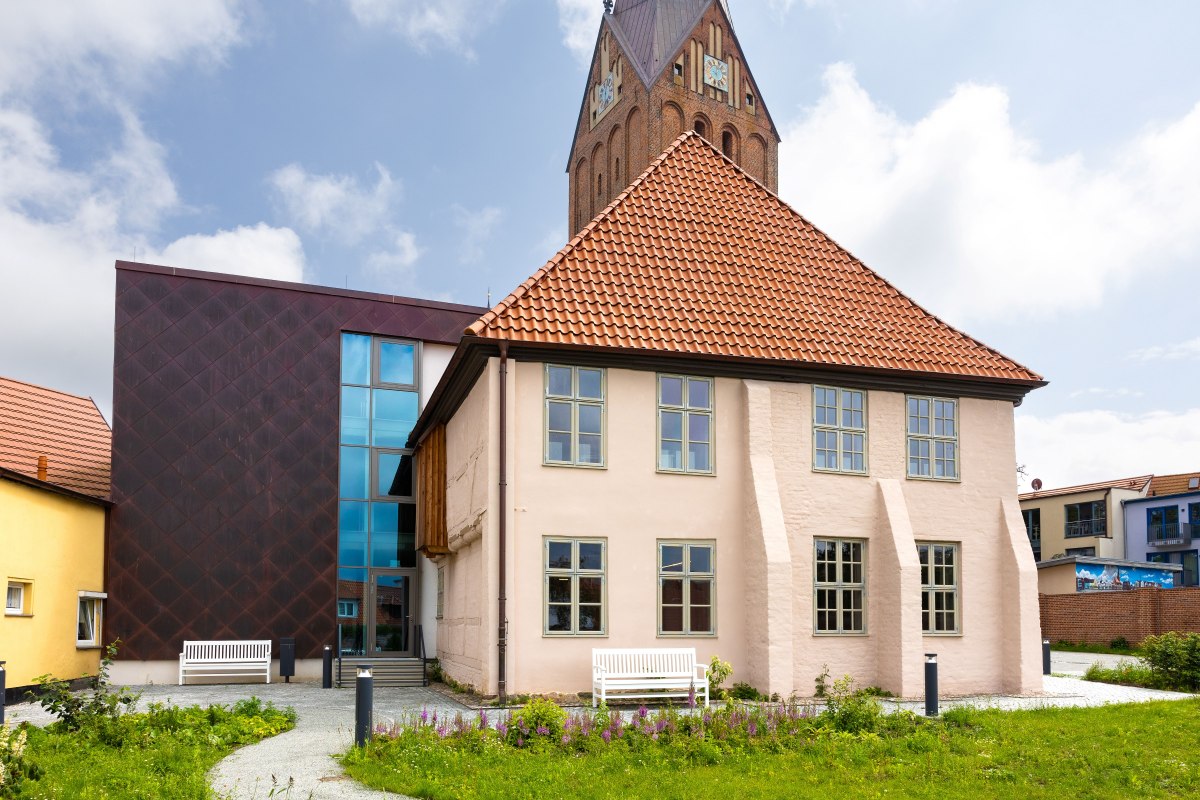
The Papenhof, located to the west of St. Mary's Church, is one of the most important examples of late medieval and early modern architecture between Rostock and Stralsund. The two-storey brick building from the late 15th century, complemented by an impressive half-timbered structure from 1585, is not only architecturally unique, it is also a place with an eventful past: as a calander house, synodal building, aristocratic residence, town house and tenement.
Today, the Papenhof tells of the splendor and complexity of past centuries and brings it closer to you. You will discover original building elements from five centuries, find out how Duke Bogislaw XIII gave the building to his governor and discover traces of the Pomeranian Reformation. Particularly impressive: the preserved fragments of the Renaissance half-timbered façade - a masterpiece of its era.
The Papenhof Museum invites you to delve deep into the layers of history. Here you will not only experience the building as an object, but also embark on a journey through social, political and cultural changes - in a building that stands for the identity and transformation of this region like no other.
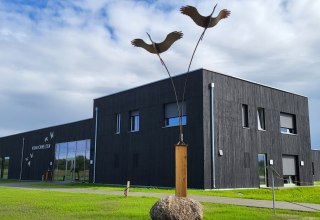
Together with the Vineta Bürgerhaus and Bogislaw-Platz, the Papenhof forms the heart of the emerging Barth Cultural Mile, a place where history, education and exchange are combined in a new way. For guests interested in culture, tourists and anyone looking for something special.
Discover how history takes shape - at the Papenhof Museum.