Lecture and Discussion on the History of Schwerin's Museums Across Three Eras
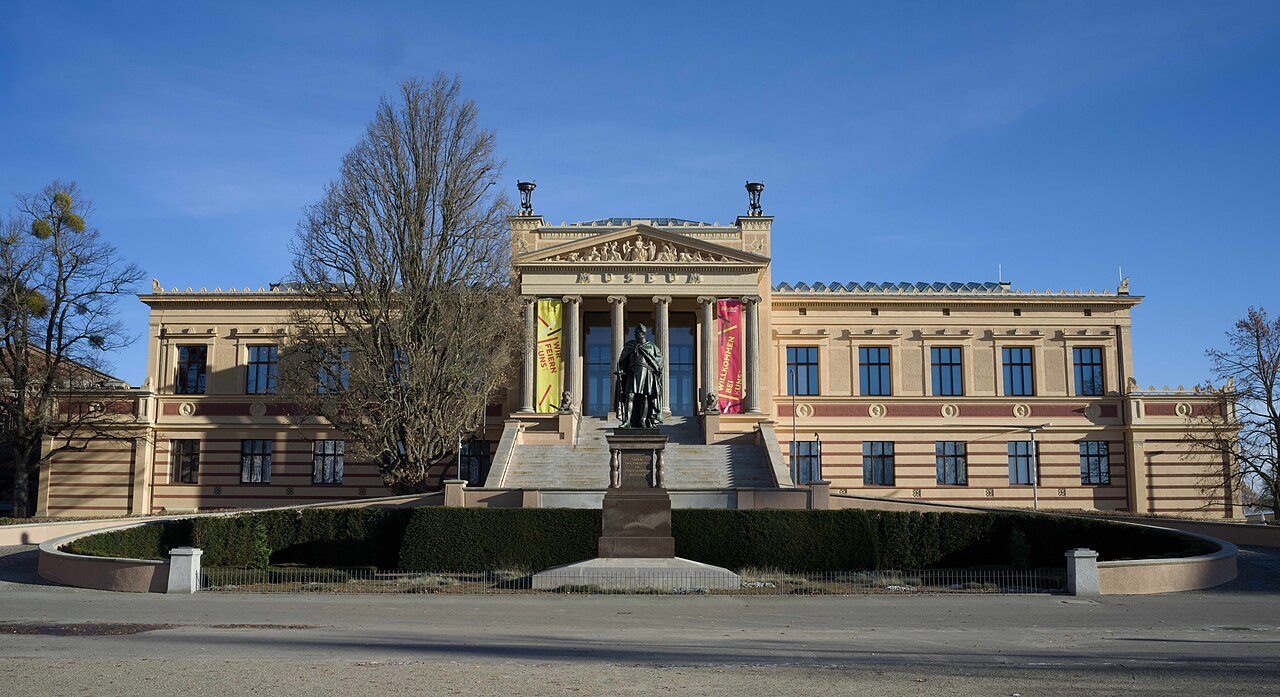
What happens to museums when enemies of democracy come to power? How do their missions, their self-image, and the actions of their leaders change? Using the example of Schwerin’s museums, this lecture examines the consequences of the Nazi seizure of power in 1933 and explores forms of conformity, acquiescence, and active participation in the dictatorship’s cultural policy.
To place these developments in their historical context, two other political turning points of the first half of the 20th century are examined comparatively: the end of the monarchy and the transition to a republic in 1918, as well as the collapse of Nazi rule in 1945. What institutional and personal continuities can be identified across these political upheavals? And what responsibility do museums bear toward a political power that appropriates their social role for its own purposes?
Art historian Yannick Philipp Schwarz studied art history, modern history, and political science at the University of Kassel and has previously focused his research on the history of museum collections during the Weimar Republic. Since 2023, he has served as a curator at the State Palaces, Gardens, and Art Collections of Mecklenburg-Vorpommern (SSGK-MV) and is responsible for the redesign of the Schwerin Castle Museum.