An opera in three acts by Giuseppe Verdi / Libretto by Francesco Maria Piave / Based on the play “Le roi s’amuse” by Victor Hugo
This opera contains what is perhaps the most famous tenor aria in the world: “La donna e mobile.” In it, the Duke of Mantua proclaims his frivolous, cynical view of women to the world—catchy, brilliant, and at the same time shockingly superficial.
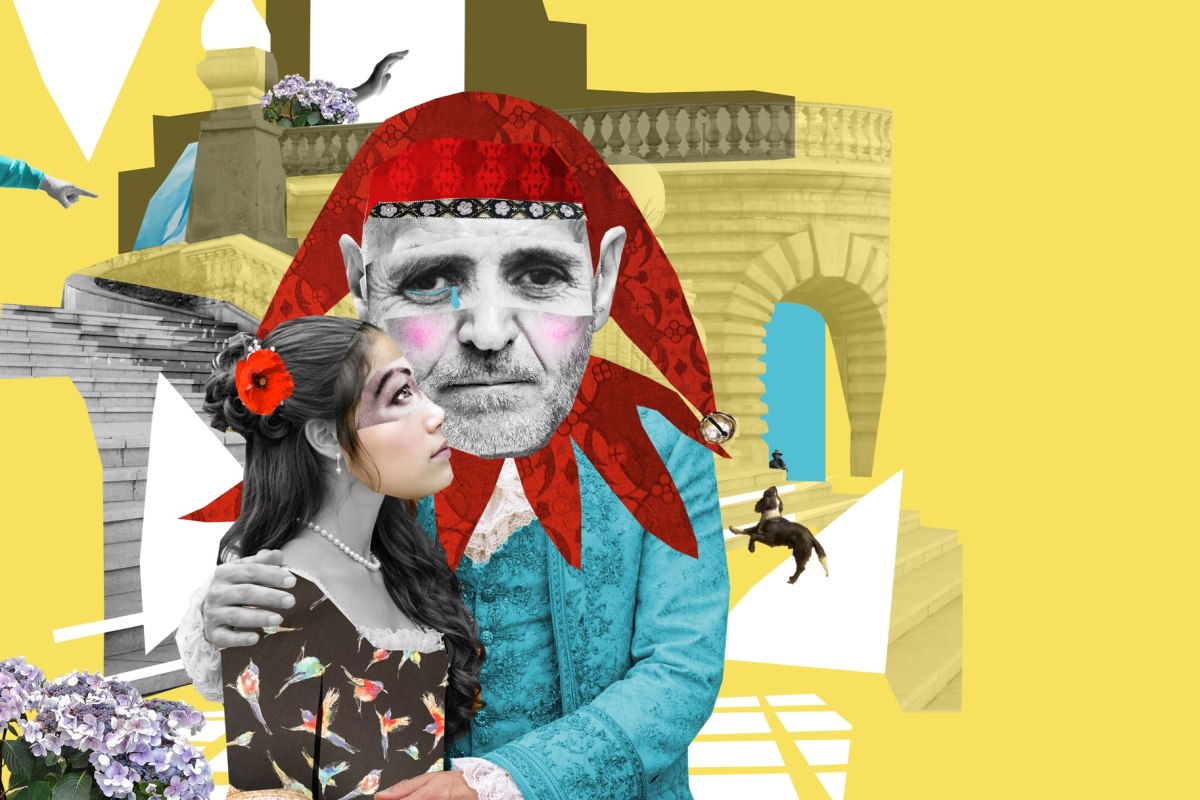
Giuseppe Verdi, however, saw far more in Victor Hugo’s play *Le roi s’amuse* than just this dazzling character: the material is magnificent, powerful, and it contains a role that is one of the greatest creations of which the theater of all countries and all times boasts. He was referring to the character of the court jester Rigoletto, who gave the opera its name. As a court jester, he shields himself with scorn and cynicism, makes himself an accomplice to his master, and even assists in the latter’s unscrupulous romantic escapades. For the nobleman knows no morality; he takes whatever he wants.
But what happens when the Duke first sees Gilda, Rigoletto’s daughter, whom Rigoletto anxiously tries to protect from that corruption? Suddenly, the game played by the court jester—mentally and physically stunted—becomes a struggle for life and death …
Director Christian Poewe and set designer Wiebke Horn, who brought the acclaimed production of *Tosca* to the stage of the Volkstheater, are returning to Rostock for the Musiktheater’s season opener.