Chilean dancer and choreographer Felipe Fizkal offers insights into the creation of his solo piece “Monumento”
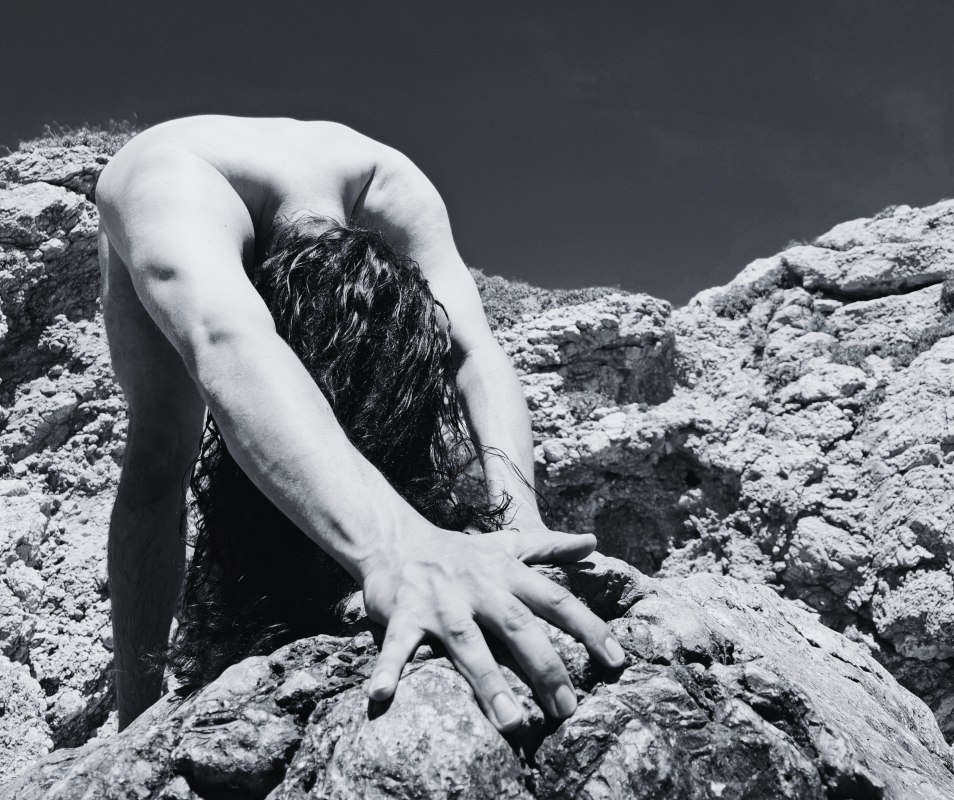
“Monumento” is a choreographic exploration that examines the multitude of monuments in Chile’s Lake District that were erected to glorify German colonization. Through this choreography, forms of knowledge are made visible and further developed—knowledge that has been marginalized by the ongoing process of colonization into rural areas, along the coast, and into working-class nightlife.This monument—composed of body, space, and sound—presents itself as a two-meter-tall anatomical-architectural structure made of flesh, bone, skin, textiles, hair, songs, tides, and visible technical systems. The beams, light grids, and cables function as a floating skeleton, while the groups of people form masses of muscle interwoven with rigid, bone-like platforms. Much like historical monuments, it asserts territoriality and embodies memory, knowledge, and cultural perception. Through cumbia, peasant songs, and the gathering of shells at low tide, it honors ways of thinking that were supplanted by German colonial processes in southern Latin America and evokes memories of a precolonial ancestor cult.
Choreography and Performance: Felipe FizkalMusic: Cristobal RuffoDramaturgy: Ronja Häring and Polina FenkoLighting and Set Design: Arturo LugoCostumes: Manu GarretónVoice Artists: Lina Gómez, Amara T. Saavedra, Melissa Herrada. This project is supported by the Schloss Bröllin Residency Program and the “Institute of Arts Barcelona” in co-production with Dock11 Berlin. Photos: Felipe Soto