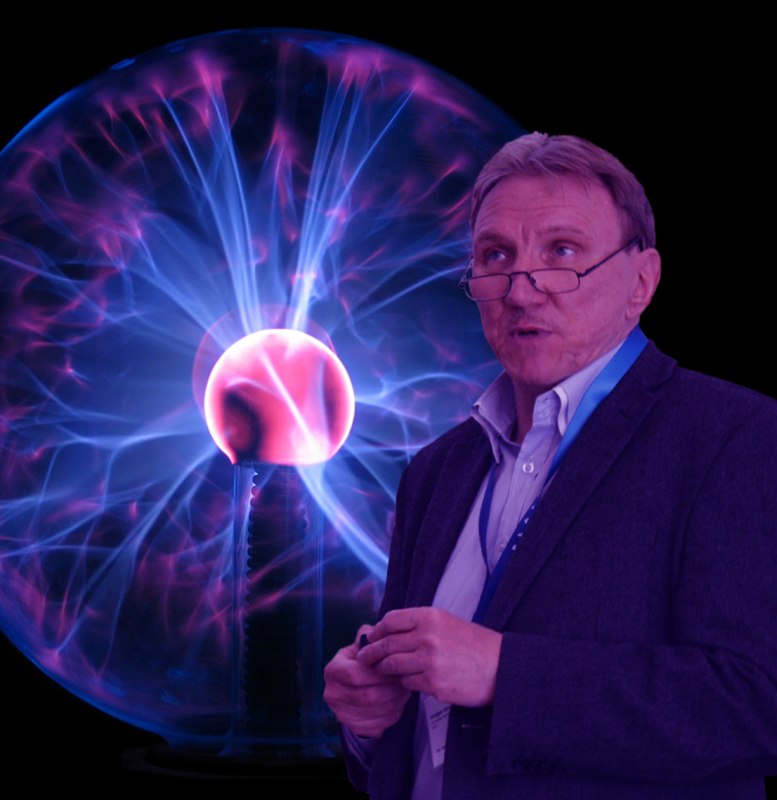
Prof. Dr. Holger Kersten of the Institute for Experimental and Applied Physics at the University of Kiel, with a special focus on the artist.
Caspar David Friedrich, arguably the most important painter of German Romanticism, is
known for his striking landscape paintings, in which celestial phenomena
often play a central role. Friedrich used the sky not merely as
background element, but as an essential means of conveying moods and
philosophical messages. His depictions of sunrises
and sunsets, of fog and twilight, as well as of the night sky, can
be interpreted as references to the afterlife and the infinite. A
stormy sky can evoke feelings of being lost amid the forces of nature,
, while a calm, clear sky represents peace and contemplation.
Examples of this include “The Wanderer Above the Sea of Fog” (1818) and “Two
Men Contemplating the Moon” (1819/20).
This lecture will focus primarily on exploring and explaining the
celestial phenomena depicted in the works. For example, are the scenes depicted real, and can they
even be dated or located more precisely? Thus—drawing on Friedrich’s
—physical phenomena will be described and illustrated through practical
experiments.
Admission: €10.00
The Schlosscafé will also open at 6:00 p.m.