A Walk Through Garden History with Dr. Angela Pfennig
The ever-changing scenic charm that has always characterized Stralsund’s appearance continues to reveal itself to today’s visitors in a unique way. However, the city owes this not only to its privileged waterfront location, but also, to a significant degree, to its garden culture—which has evolved over centuries and makes masterful use of the surrounding landscape.
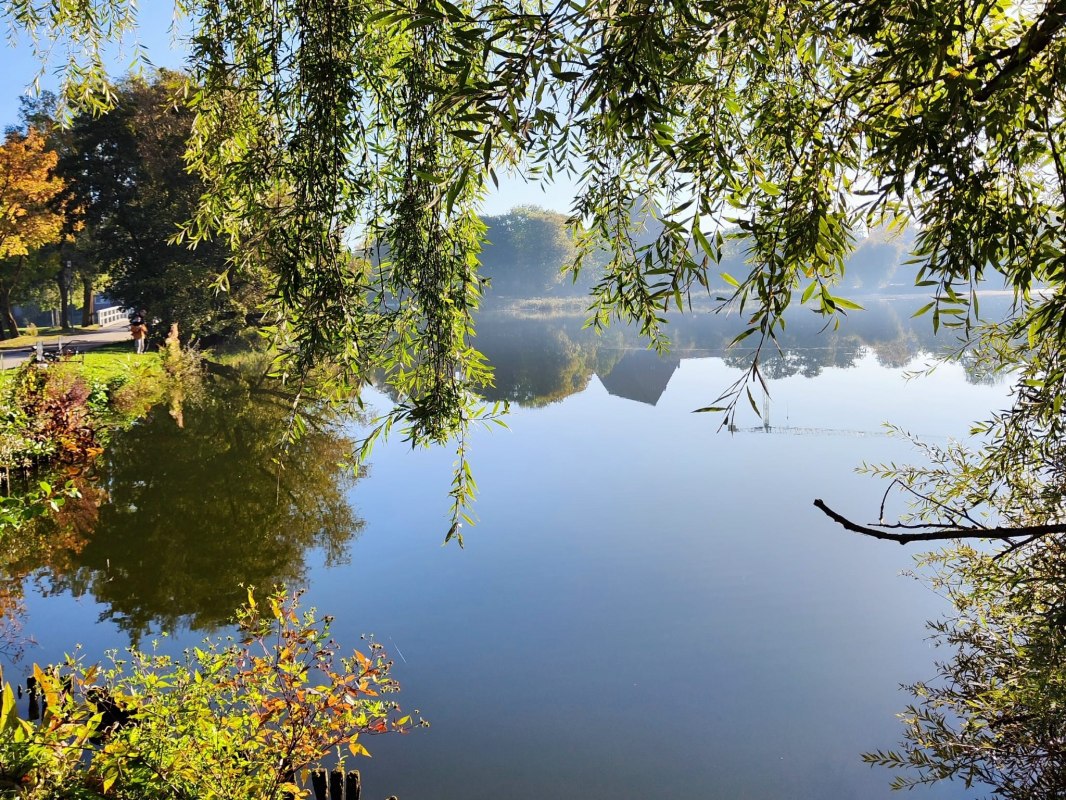
The city ponds—artificially created in the 13th century through the draining of swamps as part of the expansion of the defensive fortifications—and the promenade ring encircling Stralsund’s Old Town still vividly mark the medieval boundary between the city and the surrounding countryside. and the ring of promenades encircling Stralsund’s Old Town still mark, with striking clarity, the medieval boundary between the densely built-up city and the open countryside. This green corridor, which shapes the cityscape, can be traced back to the landscaping of the fortifications according to plans by the Royal Prussian Court Garden Director Ferdinand Jühlke (1815–1893) at the end of the 19th century.
In harmony with the urban environment of the Old Town, Stralsund’s ramparts stand as a significant testament to the art of fortificationand garden art, which—following the inclusion of the Old Towns of Wismar and Stralsund on the UNESCO World Heritage List in 2002—may now also be counted among the world’s cultural heritage sites.
The historical garden tour leads from the Schill Monument past the bastions along the Knieper Pond.