Public Evening Lecture by Dr. Stefan Fassbinder
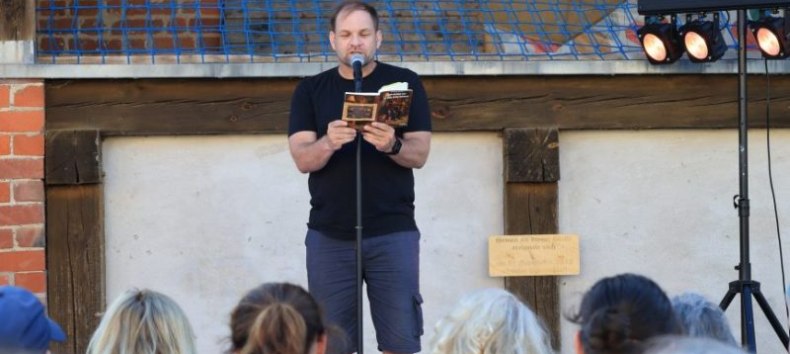
Public evening lecture by Dr. Stefan Fassbinder (historian and mayor of the University and Hanseatic City of Greifswald) as part of the interdisciplinary and international colloquium “Magic Words: Conceptualizations of Pre-Modern Language Magic from Transcultural Perspectives”
What did the lived practice of Catholic piety look like during the Baroque period? Medals, crosses, and other metal pendants provide clues. Where did pilgrimages lead? Which saints were people’s trusted intercessors? Which brotherhoods did they join? How and with what means did people seek protection for their homes and farms? Which cross was considered particularly powerful? It becomes clear that the application of archaeological methods significantly advances our understanding of these topics and yields fascinating insights into how devotional practices varied by region, age, social class, and gender.
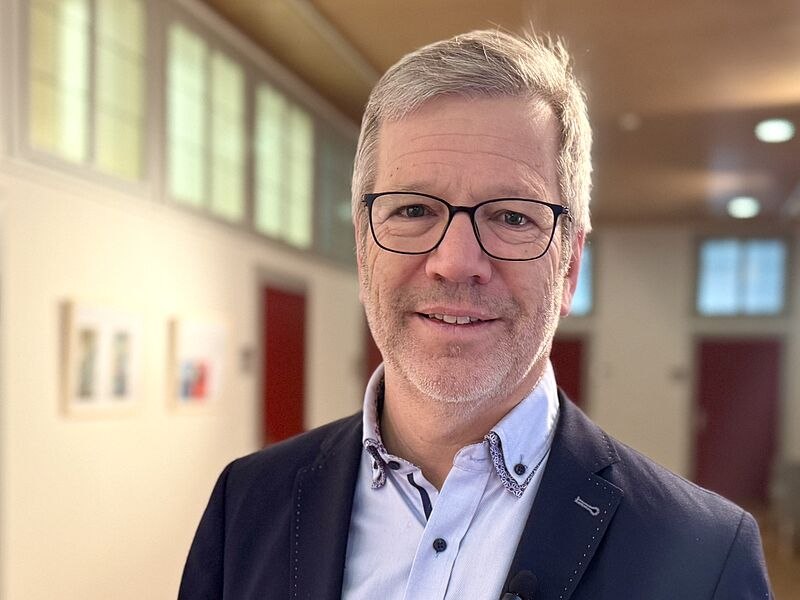
Stefan Fassbinder grew up in Algeria and Swabia. He completed his studies in archaeology, church history, and art history in Freiburg im Breisgau and Aix-en-Provence in 1997 with a doctoral degree in archaeology focusing on the history of early modern piety. After contributing to an exhibition on Charlemagne in Paderborn, he headed the history department of the newly founded Pomeranian State Museum in Greifswald starting in 1999. In 2015, he was elected mayor of Greifswald.
Moderator: Professor Dr. Tina Terrahe