
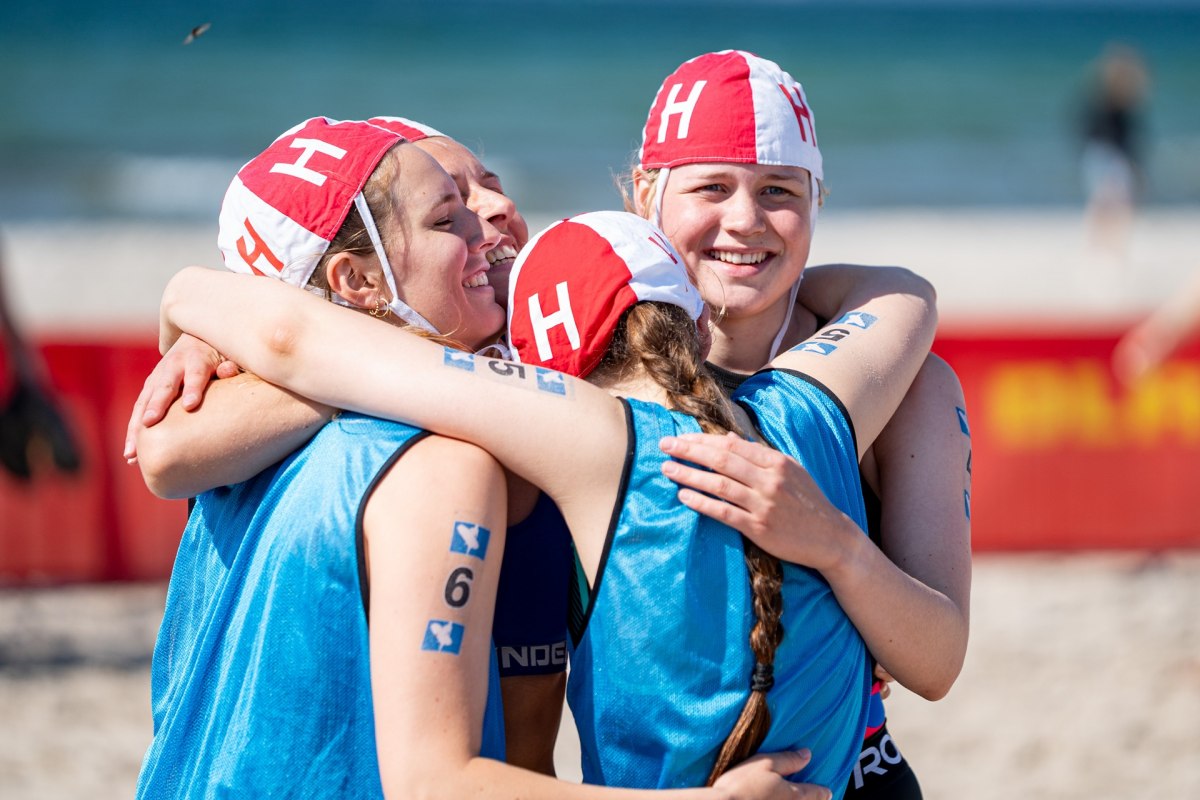
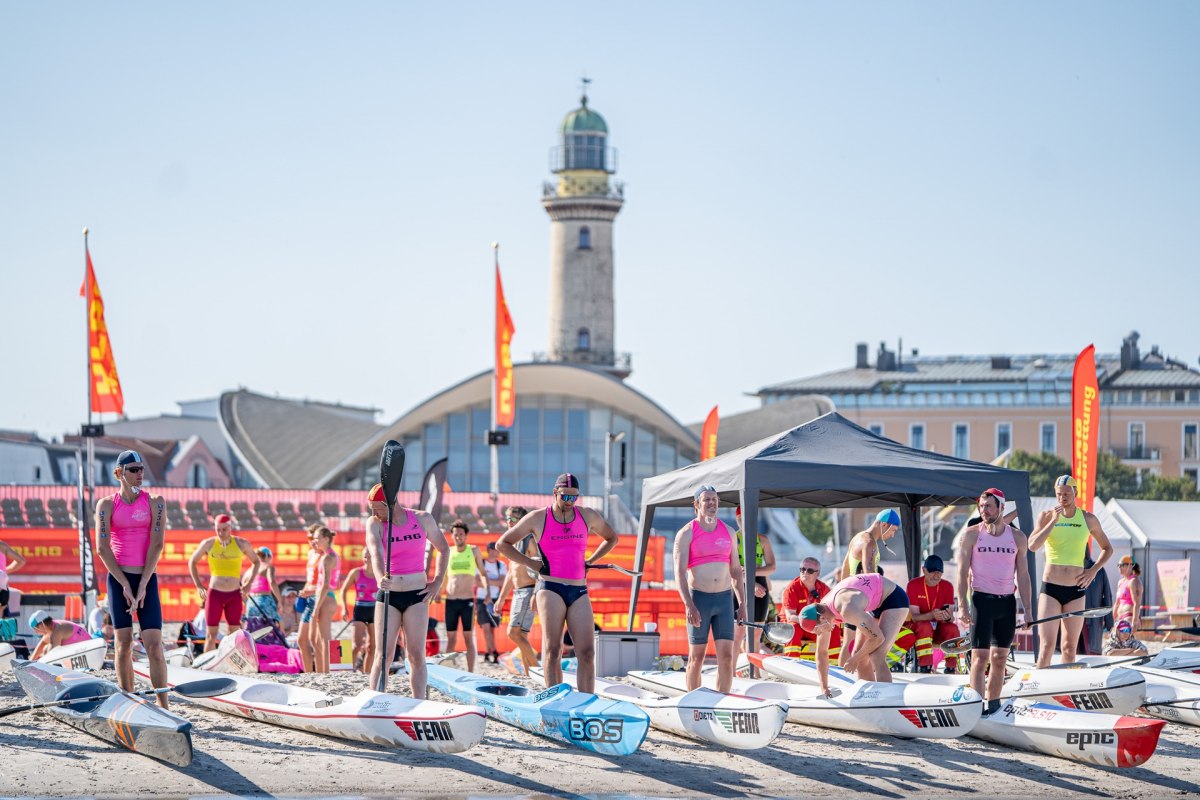
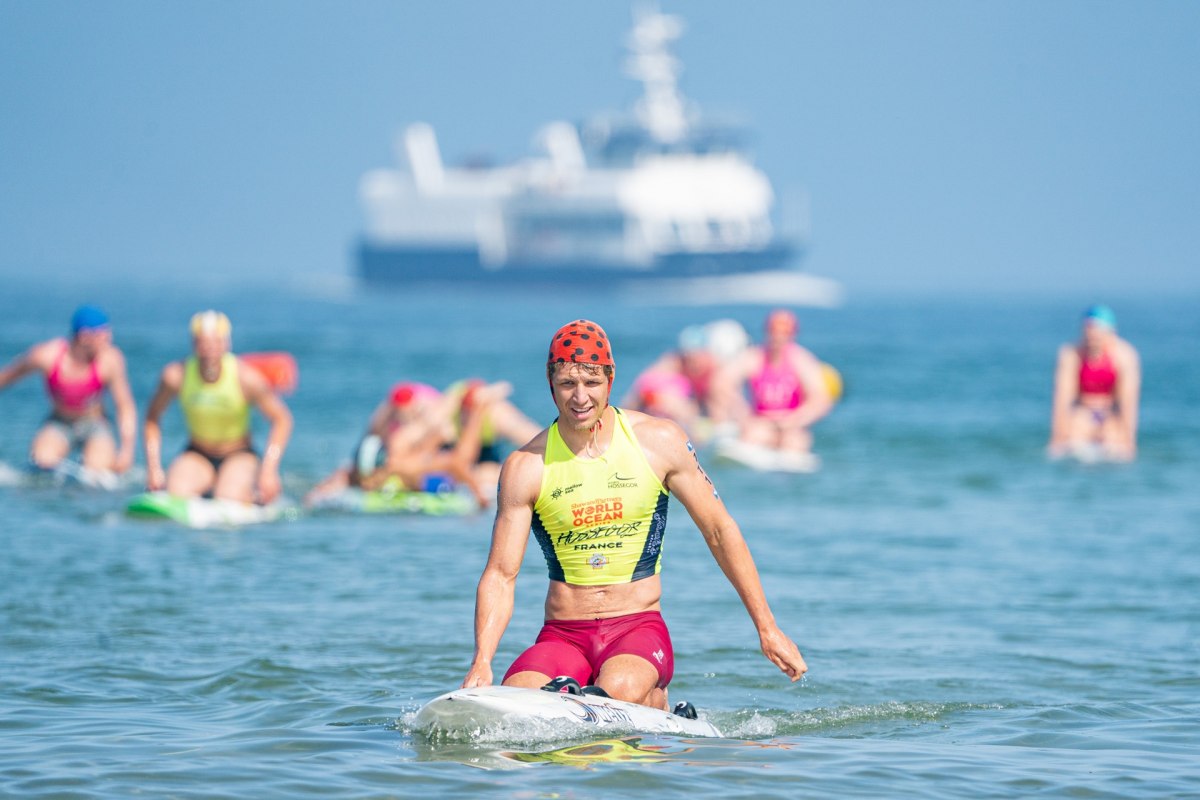
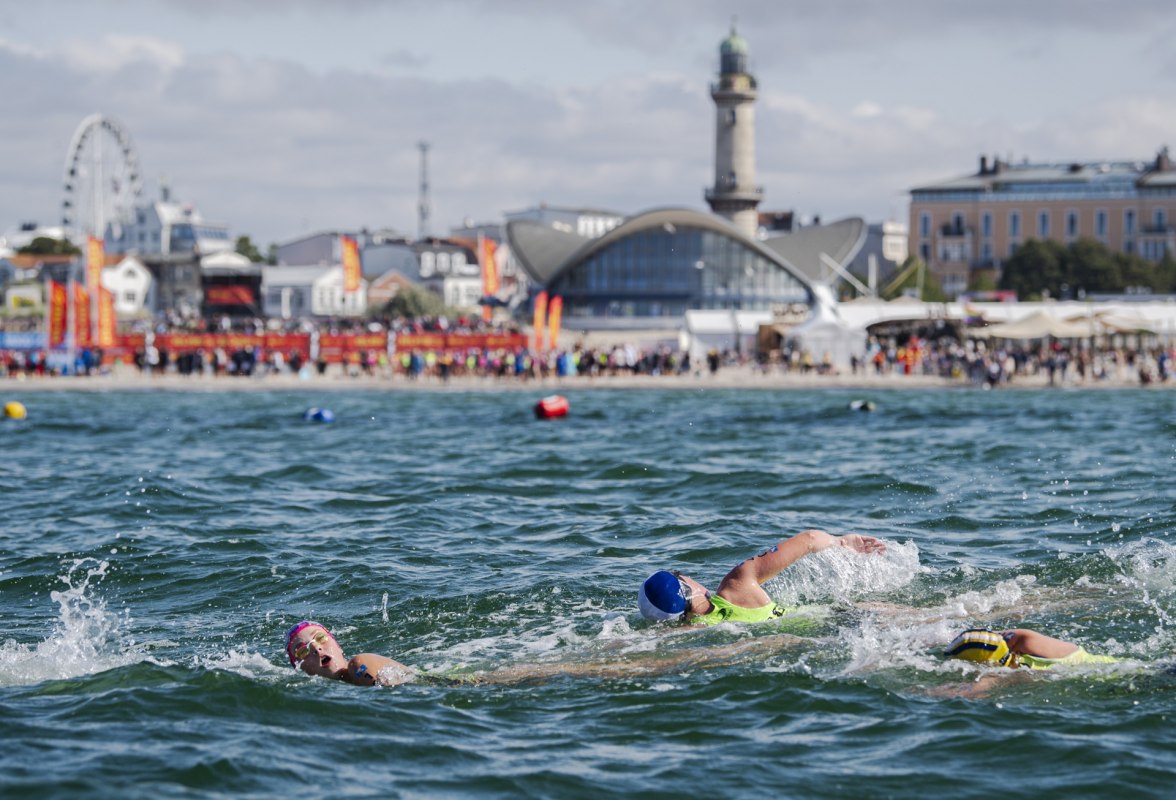
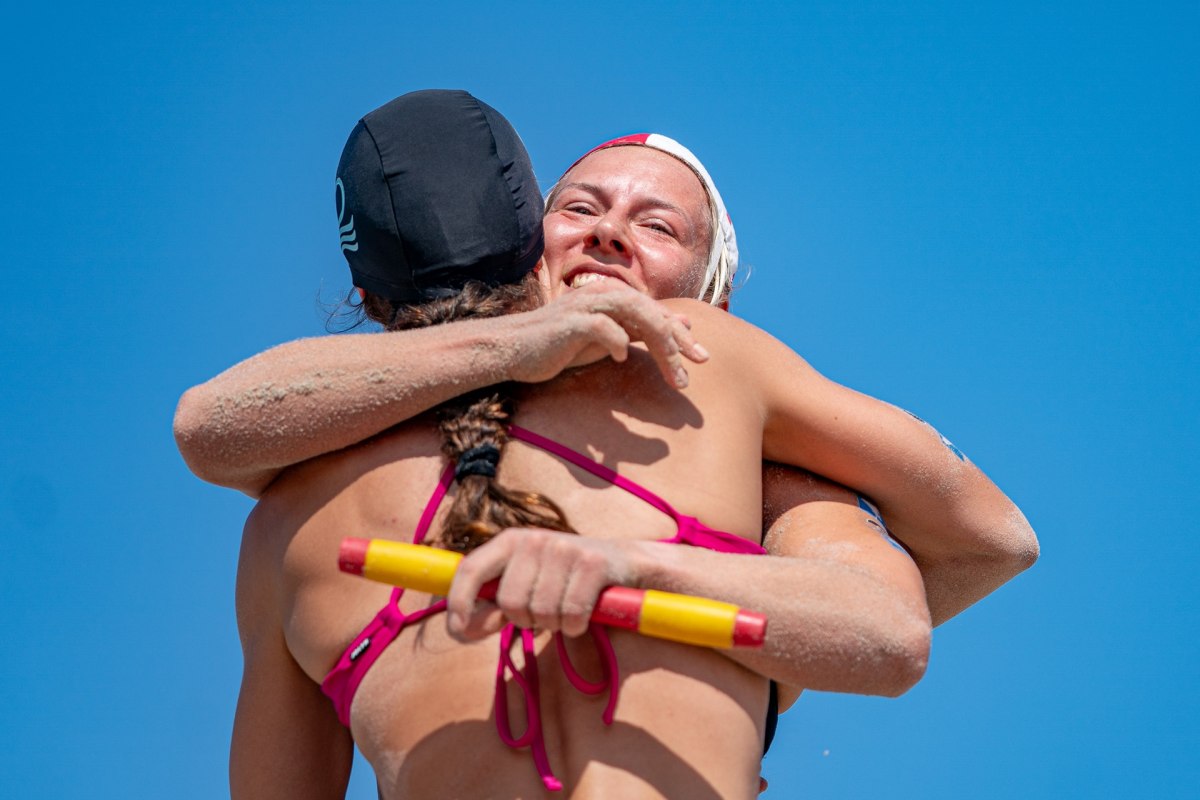
From July 16 to 18, 2026, the DLRG will transform the beach at Warnemünde into a stage for rescue sports. Up to 600 lifeguards from Germany and abroad will compete in the 1st German Ocean Championships with international participation (formerly the DLRG Cup). Spectators can watch the competitions every day until 6 pm.
From July 16 to 18, 2026, the German Lifesaving Association (DLRG) is hosting the 1st International German Ocean Championships in rescue sports on the beach in Warnemünde. Up to 600 rescue athletes will meet in the beach arena to compete in various beach and open water disciplines over three days. The competitions run daily from 8 am to 6 pm. DLRG President Ute Vogt will open the event on Thursday (from 12 noon). Spectators can follow the competitions directly on the beach. Admission is free.
The event marks a new step for rescue sports in Germany. The German Ocean Championships are replacing the renowned International DLRG Cup, which has already been held 27 times. For the first time, the DLRG, as the national association for rescue sports, will determine German champions in the beach and open water disciplines. The program includes six individual and five team competitions. At the end of the competitions, the DLRG will also award prizes to the most successful clubs. In both the youth and adult competitions, an overall ranking will decide which club comes out on top.
The championships also open up a new stage for young talent. In the junior class, young rescue athletes compete in a separate classification.
About the sport of rescue
Many disciplines of rescue sport originated from the water rescue service on coasts and bathing lakes. The sport combines practical training in rescue swimming with sporting competition. In Europe, competitions in indoor swimming pools developed first, in which athletes compete against the clock. In some competitions, the athletes also use fins or the so-called belt rescuer, an aid similar to the life buoy, which is also used in real water rescue services.
The beach and open water disciplines, which developed on the coasts of Australia, New Zealand and South Africa, are based on real rescue missions in waves and surf and also require the safe use of a rescue board and rescue ski, which is similar to a kayak. Unlike in a swimming pool, in open water it is not the time that counts, but the order in which you finish.
Rescue sports train skills that can make the difference between life and death in an emergency. Athletes must be able to swim quickly and use rescue equipment safely. Strength, endurance and technical precision are just as important.
Rescue sports on the way to the Olympics?
Internationally, the importance of rescue sports continues to grow. The sport has been part of the program of the World Games, the world games of non-Olympic sports, since 1982. At the same time, international associations are working hard to bring rescue sports into the Olympic program. Inclusion is considered possible for the 2032 Olympic Games in Brisbane. As host, Australia can propose additional sports. Lifesaving is a popular water sport on the red continent. It is therefore possible that some of the athletes coming to Warnemünde in July will be competing for medals at the Olympics in six years' time.