Nothing beats a folk song sung together. Everyone knows them, hardly anyone sings them anymore, some are forgotten. Like the folk song history of Mecklenburg. This is the story told by historian Christoph Wunnicke.
Nothing beats singing a song together. Well-known folk songs are best suited for this. Everyone knows them, hardly anyone sings them anymore, some are forgotten. Like the folk song history of Mecklenburg.
Yet this history goes back a long way, including to the church, where in 1492 the singing of songs in church services was regulated in the local language in Schwerin. The first prints of Klaus Störtebeker's folk song appeared around 1550. In 1850, the first Mecklenburg Singers' Union Festival took place in Güstrow.
In 1914, the librarian Bruno Claußen discovered the late medieval Rostock songbook, one of the most important testimonies to Low German musical culture, in the Rostock University Library. And in 1933, the "Volkslieder aus den beiden Mecklenburg" (Folk songs from the two Mecklenburgs), edited by Johannes Gosselck and Friedrich Siems, was published by Hinstorff-Verlag in Rostock.
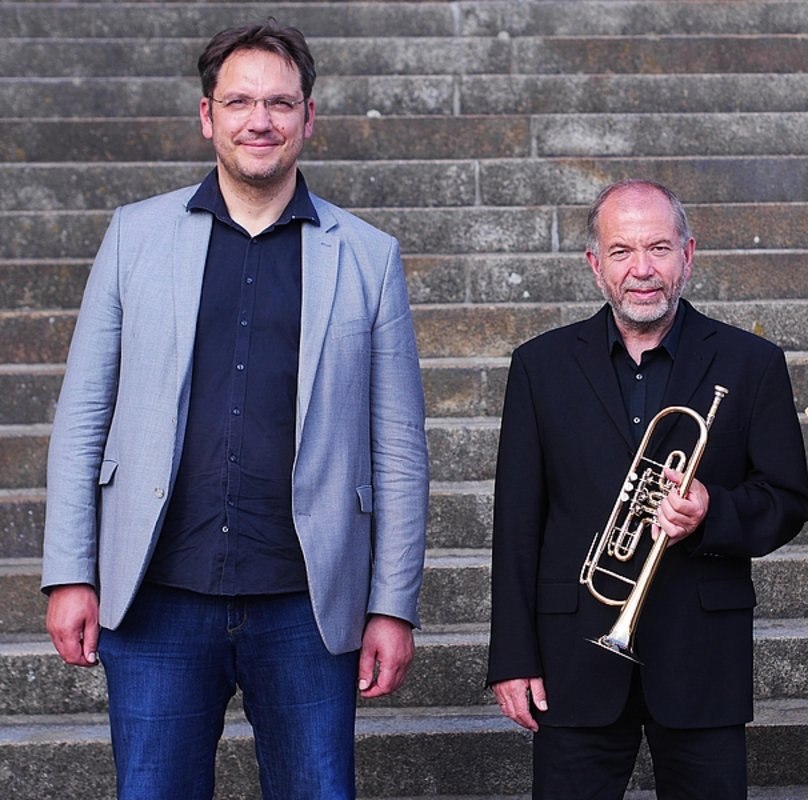
The historian Christoph Wunnicke tells this story using broad lines, illustrative episodes and, of course, the folk songs. Between the individual stories, the songs described and others are sung together with the audience, accompanied by organist Reinhard Kotitschke and trumpeter Ulf Rust.
After the last note, you can feel that singing makes you strong and happy.