Between the Middle Ages and Modern Times

Impressive Cities in Mecklenburg-Vorpommern

Stroll in the maritime ambience of the Hanseatic cities, wander through the residential quarters or go on a discovery tour in the medieval small towns with brick churches and market squares: There is a lot to experience on a city trip to Mecklenburg-Vorpommern.

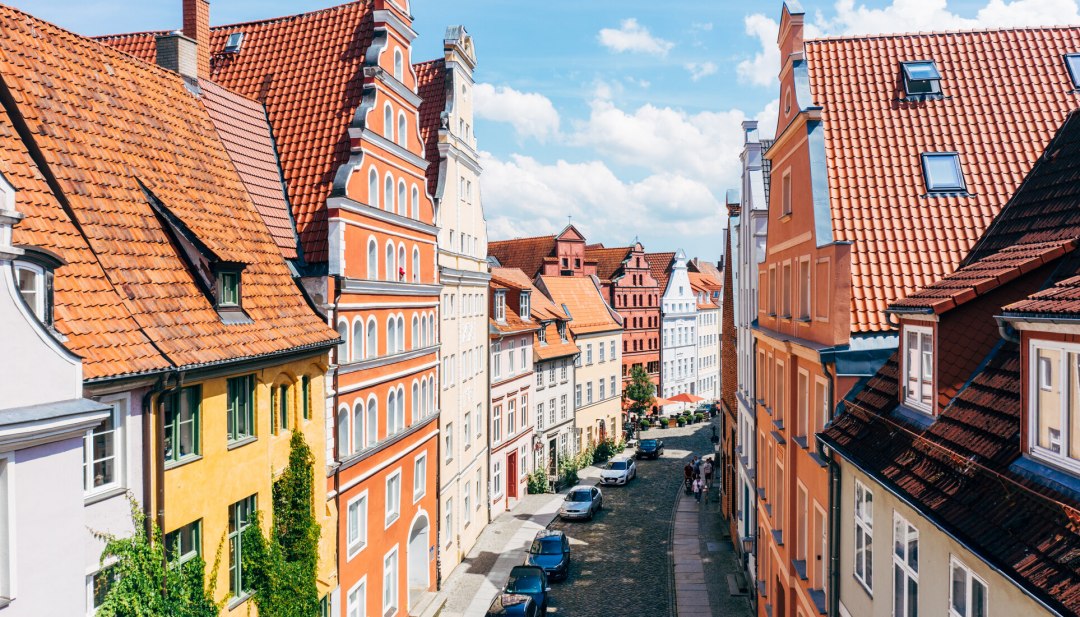
Insight into the alleys of the old town of Rostock // © MV-T/Gänsicke

Cities Rich in History: In the Footsteps of Merchants and Local Heroes

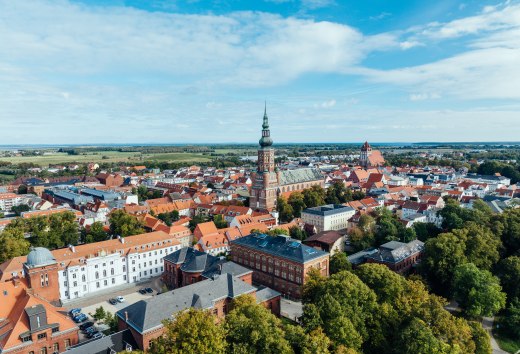
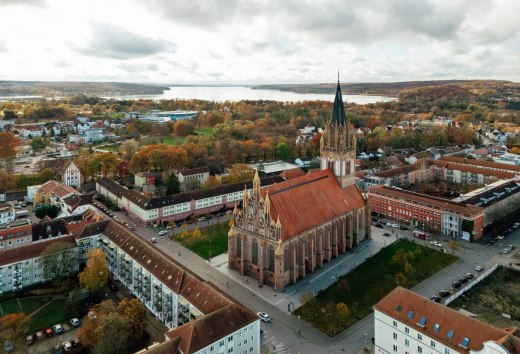
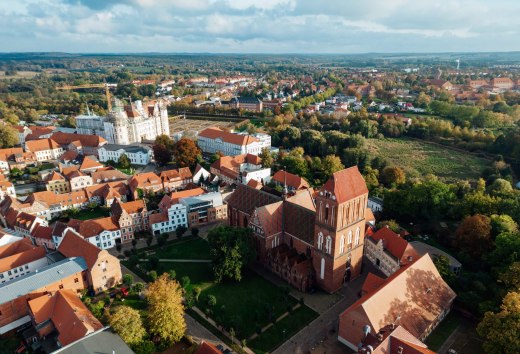
Authenticity, distinctiveness, and a unique cultural heritage define the character of the cities between the Baltic Sea and the Lake District. The Hanseatic cities of Rostock, Wismar, Stralsund, and Greifswald captivate visitors with their imposing brick buildings and proximity to the sea. The royal seat cities in the Mecklenburg Lake District enchant visitors with their elegant castles and parks, just as the state capital Schwerin does with its fairytale castle on Lake Schwerin. In contrast, you can experience authentic medieval charm in the “City of Four Gates,” Neubrandenburg, located inland.

State Capital Schwerin

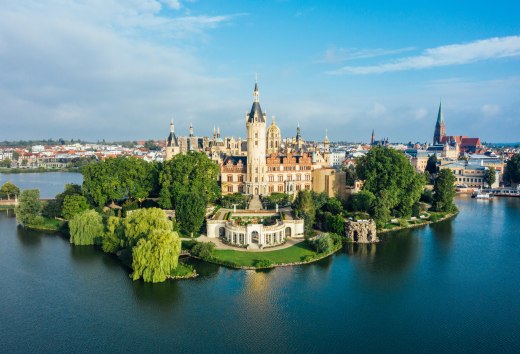
Dukes once resided here; today, Schwerin is the seat of the state parliament of Mecklenburg-Western Pomerania. Yet the state’s oldest city has lost none of its stately splendor. Rising from the waters of one of Germany’s largest lakes is the Schwerin Castle, the city’s landmark. The streets are lined with other impressive buildings from various eras, just waiting to be discovered. And the state capital also has a lot to offer culturally.

Rostock and Warnemünde

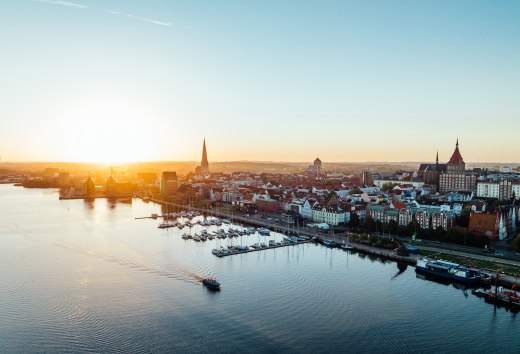
A city trip to Rostock combines maritime urban charm, the finest sandy beaches, and the tranquility of nature. The Hanseatic city boasts a historic old town and a harbor lined with many small shops, boutiques, cafés, and restaurants. The nearby Baltic Sea resort of Warnemünde, with its kilometer-long white sandy beach, is an excellent destination for a day trip. In the Rostock Heath, Germany’s largest contiguous coastal forest, nature lovers will find a colorful variety of plants and a rich diversity of wildlife.

The Hanseatic City of Wismar

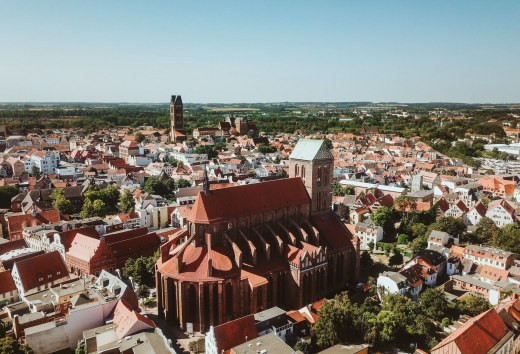
In the Footsteps of Störtebeker: The Hanseatic City of Wismar captivates visitors with its medieval charm. Patrician houses, warehouses, and trading offices evoke times gone by. Its layout has remained virtually unchanged for many centuries. The best way to explore the historical significance of the city—which has been a UNESCO World Heritage Site since 2002—is through guided city tours, sightseeing cruises, or boat excursions.
Content is loaded

back

Hanseatic City of Stralsund

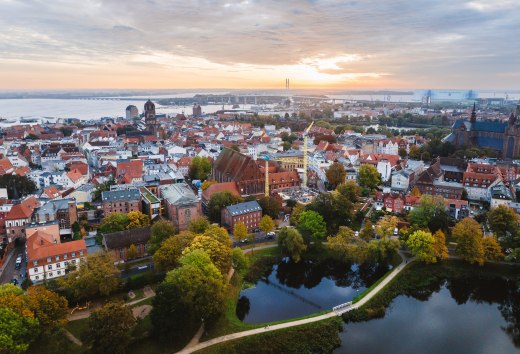
In Stralsund, too, the feeling of the Hanseatic era can be felt at every turn. The so-called "Venice of the North" impresses with its architectural diversity and is also a proclaimed UNESCO World Heritage Site. The Ozeaneum is an attraction for young and old explorers. Located in the city's harbour, it offers lots of exciting information about the sea, has huge aquariums and even a penguin facility. Stralsund is also an ideal starting point for excursions to the islands of Rügen and Hiddensee or the Fischland-Darß-Zingst peninsula.

Hanseatic City of Greifswald

A historic old town and proximity to the sea: the university and Hanseatic town of Greifswald already served as an inspiration for its most famous son, the romantic painter Caspar David Friedrich. Some of his paintings can be seen in the Pomeranian State Museum (Pommersches Landesmuseum). But the museum’s harbour with its more than 50 ships is also worth a visit. Architecturally interesting are especially the buildings of the university, the red town hall, and the brick churches.

Neubrandenburg

Neubrandenburg is also known as the city of the four gates, because these brick buildings characterise the image of the place. But they are not the only witnesses of the past. An almost completely preserved city wall, the towers and gates belonging to it as well as the green ramparts give visitors a vivid impression of medieval city life. You can experience the unique atmosphere of times gone by either on guided tours or wandering on your own.

Barlach Town of Güstrow

An imposing castle with a playful pleasure garden, an old town characterised by half-timbered houses, a classicist town hall and an awe-inspiring cathedral; these are all parts of Güstrow that already impressed Ernst Barlach, the important artist of the 20th century, who chose the town as his adopted home for almost thirty years. It owes its nickname of Barlach's town to him. The works of the expressionist sculptor, printmaker and writer can still be admired today in three museums.

Content is loaded

back